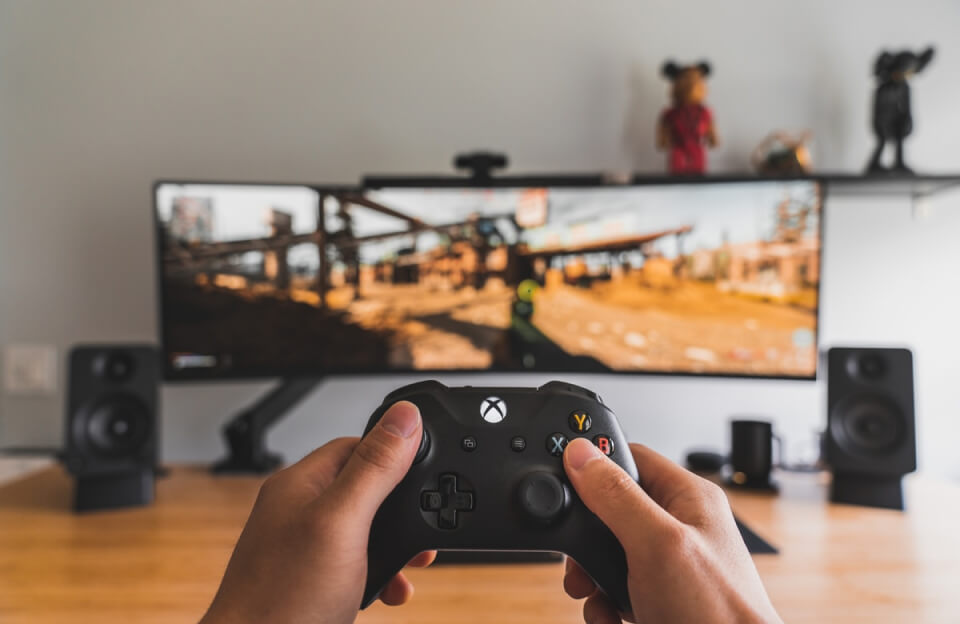
For many budget gamers, the idea of a high‑end gaming rig feels out of reach. However, a well‑planned Gaming PC Upgrade Guide can transform a modest machine into a capable gaming platform without breaking the bank. By focusing on the components that deliver the most performance per dollar, you can enjoy smooth gameplay, higher frame rates, and a future‑proof system that scales with new titles. This guide walks you through the essential steps, from evaluating your current setup to selecting budget‑friendly upgrades and assembling them with confidence.
1. Assess Your Current Build
Before you start shopping, take inventory of what you already have. Identify the bottlenecks that limit your gaming experience. Common culprits include an outdated CPU, insufficient RAM, a slow storage drive, or a low‑end graphics card. Use tools like CPU Benchmark or TechSpot’s PC Specs Checker to gather accurate data. Pay attention to the following metrics:
- CPU clock speed and core count – Determines how well your system handles multitasking and CPU‑intensive games.
- RAM size and speed – 8 GB is the minimum for modern titles; 16 GB is ideal.
- Graphics card performance – Look at the GPU’s memory, architecture, and driver support.
- Storage type and capacity – SSDs provide faster load times compared to HDDs.
- Power supply wattage and efficiency – Ensure it can handle new components.
Documenting these details helps you avoid unnecessary purchases and focus on upgrades that truly matter.
2. Prioritize the Most Impactful Upgrades
Not all upgrades deliver the same performance boost. For budget gamers, the following components typically offer the highest return on investment:
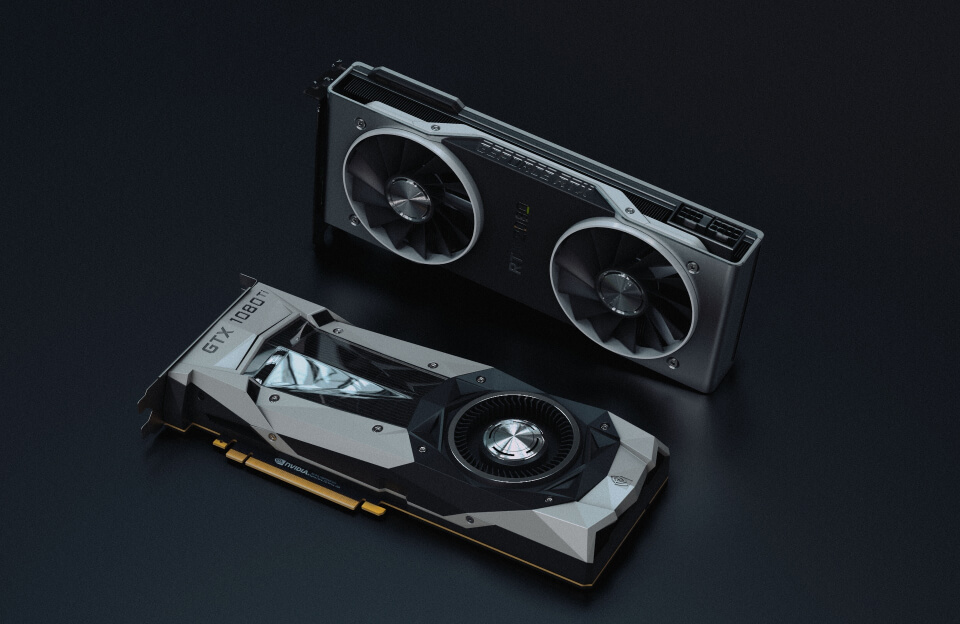
- Graphics Card (GPU) – The GPU is the heart of gaming performance. Even a modest upgrade can raise frame rates dramatically. Consider cards like the NVIDIA GeForce RTX 3060 or AMD Radeon RX 6600, which balance price and power.
- Solid State Drive (SSD) – Replacing an HDD with an SSD reduces load times and improves overall system responsiveness. The Solid State Drive is a proven upgrade for any build.
- RAM Upgrade – Adding or swapping to faster memory (e.g., 3200 MHz DDR4) can eliminate stutter in memory‑heavy games.
- CPU Upgrade – If your processor is a bottleneck, a newer, cheaper model (e.g., AMD Ryzen 5 5600G) can provide a noticeable jump in performance.
- Motherboard and Power Supply – Only upgrade these if you’re changing the CPU or GPU significantly; otherwise, keep your existing board and PSU.
By tackling the GPU first, you’ll see the most immediate improvement. Subsequent upgrades will polish the experience further.
3. Budget‑Friendly Component Choices
Finding the right parts at a low price requires research and timing. Here are some strategies to keep costs down:
- Shop during sales – Major retailers and online marketplaces often run discounts around holidays, back‑to‑school periods, and Black Friday.
- Consider refurbished or open‑box items – Certified refurbished GPUs and CPUs can be 20–30 % cheaper.
- Use price‑tracking tools – Websites like PriceWatch alert you when prices drop.
- Check local classifieds – Platforms such as Craigslist or Facebook Marketplace sometimes have used components in good condition.
- Read community reviews – Forums like r/buildapc provide real‑world feedback on budget builds.
When selecting a GPU, look for models that offer 1080p performance for under $300. For example, the best budget gaming PC builds often feature the RTX 3060 or RX 6600 as the sweet spot.
4. Assembly Tips and Testing
Upgrading components is only half the battle; installing them correctly ensures stability and longevity. Follow these steps:
- Power down and unplug – Always disconnect the power cord before opening the case.
- Ground yourself – Use an anti‑static wrist strap or touch a grounded metal object to prevent electrostatic discharge.
- Install the GPU – Remove the old card, insert the new one into the primary PCIe slot, secure it with screws, and connect the necessary power cables.
- Upgrade the SSD – Mount the SSD in an available 2.5″ bay or M.2 slot, connect SATA or NVMe cables, and secure it.
- Add or replace RAM – Insert new sticks into the correct slots, ensuring they click into place.
- Update BIOS and drivers – After powering on, install the latest motherboard BIOS, GPU drivers, and chipset drivers.
- Run stress tests – Use tools like TechPowerUp GPU-Z and Prime95 to verify stability.
Keep an eye on temperatures and power consumption. If you notice overheating or instability, double‑check cable connections and consider adding a case fan.
Conclusion: Upgrade Smart, Play Hard
With a clear plan and the right budget‑friendly parts, you can transform a modest gaming PC into a powerful machine that handles the latest titles at 1080p or even 1440p. Remember to assess your current build, prioritize high‑impact upgrades, shop smart for components, and assemble with care. By following this Gaming PC Upgrade Guide, you’ll enjoy smoother gameplay, faster load times, and a system that grows with your gaming ambitions.
Ready to level up? Start by evaluating your current setup, then choose the upgrades that fit your budget and performance goals. Visit reputable retailers, compare prices, and don’t hesitate to ask for advice in online communities. Your next gaming experience is just a few clicks away—upgrade today and play hard tomorrow!
Frequently Asked Questions
Q1. What is the most cost‑effective upgrade for a budget gaming PC?
The GPU is usually the biggest performance driver. A mid‑range card like the RTX 3060 or RX 6600 can deliver 1080p gaming at high settings for under $300. Upgrading the GPU often yields the largest jump in frame rates compared to other components. It’s a one‑time investment that pays off across many titles. Keep an eye on sales to get the best price.
Q2. How do I determine if my current CPU is a bottleneck?
Use benchmark tools such as CPU Benchmark or TechSpot’s PC Specs Checker to gather data on clock speed and core count. Compare your CPU’s performance to the requirements of the games you play. If you notice low frame rates even with a decent GPU, the CPU may be limiting performance. In that case, consider a newer, cheaper model like the Ryzen 5 5600G. Remember to check compatibility with your motherboard.
Q3. Should I replace my HDD with an SSD?
Yes, an SSD dramatically reduces load times and improves overall system responsiveness. SATA SSDs are a budget option, while NVMe drives offer even faster speeds if your motherboard supports them. Installing an SSD for your operating system and key games can make a noticeable difference. It’s a relatively inexpensive upgrade that pays off quickly.
Q4. Do I need a new power supply when upgrading my GPU?
It depends on the wattage of your current PSU and the power draw of the new GPU. Check the recommended wattage for the GPU you plan to buy and compare it to your PSU’s rating. If your PSU is below the recommended level, upgrade to a unit with higher wattage and 80+ efficiency. A reliable PSU also protects your components from power fluctuations.
Q5. How can I keep upgrade costs low?
Shop during sales, use price‑tracking tools, and consider refurbished or open‑box items. Local classifieds and community forums can offer good deals on used components. Read reviews from trusted sources like r/buildapc to avoid pitfalls. Timing your purchases around major holidays can also yield significant savings.