When you’re chasing the next open‑world adventure, a lagging frame rate can feel like a broken compass. The good news is that most gaming PCs can be upgraded to keep up with the latest RPGs, from sprawling fantasy realms to richly detailed sci‑fi worlds. In this guide we’ll walk through the essential components you should focus on, the order in which to upgrade them, and how to keep your system balanced so you can enjoy smooth, immersive gameplay.
1. Identify the Bottleneck: CPU or GPU?
Before you start buying parts, you need to know which component is holding your system back. Open‑world RPGs often demand both a powerful graphics card for rendering vast landscapes and a strong CPU for AI, physics, and world generation. Use a benchmarking tool like CPU benchmarks or GPU benchmarks to see where the lag occurs. If your frame rates drop dramatically when the game is rendering complex scenes, the GPU is likely the bottleneck. If the game stalls during loading or when many NPCs are active, the CPU may be the culprit.
2. Upgrade the Graphics Card for Stunning Visuals
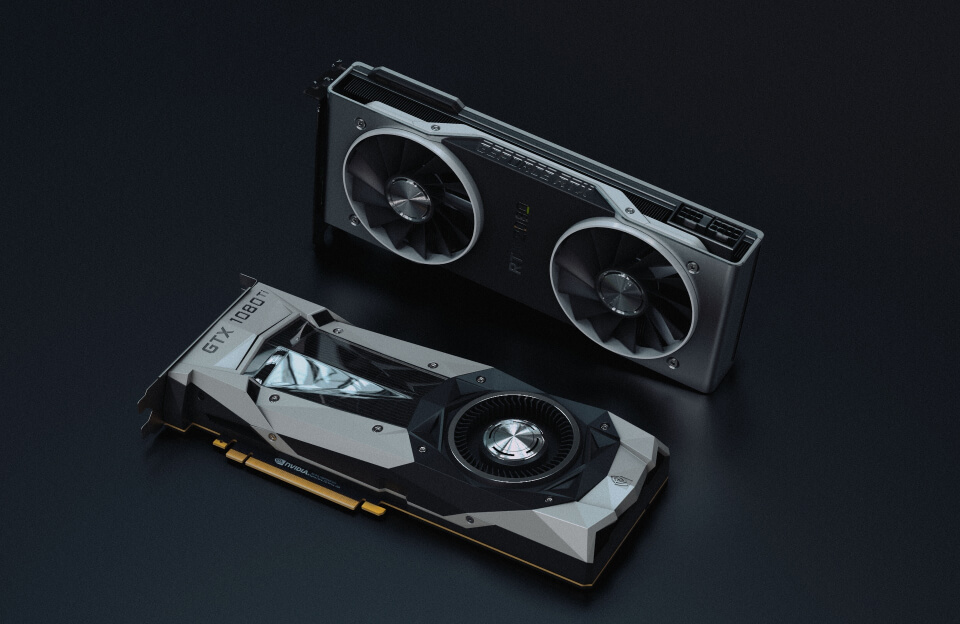
Once you’ve confirmed the GPU is the limiting factor, choose a card that matches your monitor’s resolution and refresh rate. For 1080p gaming, a mid‑range card such as the NVIDIA RTX 3060 or AMD Radeon RX 6600 XT offers excellent performance. For 1440p or 4K, consider the RTX 4070 Ti or RX 7900 XTX. Make sure the card’s power draw is within the limits of your power supply unit (PSU). A 650W or higher PSU is recommended for most modern GPUs.
- Check VRAM: Open‑world RPGs can use 8–12 GB of VRAM for high‑resolution textures. Aim for at least 8 GB.
- Cooling: A card with a robust cooling solution will keep temperatures low and maintain performance. Look for dual‑fan or triple‑fan designs.
- Compatibility: Verify that the card fits in your case and that your motherboard has the necessary PCI‑Express slot.
3. Expand RAM for Smooth Multitasking
Modern RPGs often run several background processes—texture streaming, physics calculations, and AI routines—all of which benefit from ample memory. The RAM recommendation is 16 GB for 1080p and 32 GB for 1440p or 4K. If you’re already at 16 GB and notice stuttering, upgrading to 32 GB can provide a noticeable improvement. Ensure the new sticks match the speed and latency of your existing modules to avoid bottlenecks.
4. Install an SSD for Lightning‑Fast Load Times
Open‑world games can have massive asset files. A solid‑state drive (SSD) dramatically reduces load times and improves texture streaming. The SSD should have at least 500 GB of capacity for the game itself, plus additional space for the operating system and other applications. NVMe drives offer the fastest speeds, but SATA SSDs are still a solid upgrade over mechanical hard drives.
5. Optimize Cooling and Power Delivery
Upgrading high‑performance components increases power consumption and heat output. A reliable cooling system—whether air or liquid—keeps temperatures in check and prevents thermal throttling. Consider adding additional case fans or upgrading to a higher‑quality CPU cooler. Also, verify that your PSU has enough headroom; a 750W unit is a safe bet for most mid‑range builds.
6. Step‑by‑Step Upgrade Checklist
- Assess current performance: Run a benchmark and note frame rates at 1080p, 1440p, and 4K.
- Choose a GPU: Match your resolution and budget.
- Upgrade RAM: Add or replace modules to reach 16–32 GB.
- Install an SSD: Replace or add a SATA/NVMe drive.
- Improve cooling: Add fans or install a new CPU cooler.
- Check power supply: Ensure it can handle the new GPU and cooling.
- Update drivers: Install the latest GPU drivers and chipset updates.
- Re‑benchmark: Verify performance gains and adjust settings.
7. Fine‑Tune In‑Game Settings for Optimal Performance
Even with upgraded hardware, tweaking in‑game settings can yield smoother gameplay. Lower the draw distance or texture quality if you still experience frame drops. Enable features like DLSS (NVIDIA) or FidelityFX Super Resolution (AMD) to boost frame rates without sacrificing visual fidelity. Keep your graphics driver up to date, as manufacturers often release optimizations for new titles.
Conclusion: Level Up Your Gaming Experience
Upgrading a gaming PC for open‑world RPGs is a strategic process that balances performance, cost, and future‑proofing. By identifying the bottleneck, selecting the right GPU, expanding RAM, installing an SSD, and ensuring adequate cooling, you’ll transform laggy sessions into fluid adventures. Don’t let hardware hold you back from exploring the next epic quest—take the steps above and power up your system today.
Ready to upgrade? Start by checking your current specs, then choose the components that fit your play style and budget. Happy gaming!
Frequently Asked Questions
Q1. Which component should I upgrade first for RPGs?
Start with the GPU if you’re playing at 1080p or higher, as it handles rendering large environments. If you notice stutters during loading or heavy NPC activity, the CPU may be the bottleneck. A balanced approach often means upgrading both, but the GPU usually gives the biggest visual payoff.
Q2. How much VRAM do I need for modern RPGs?
Most open‑world titles recommend 8 GB of VRAM for 1080p and 12 GB for 1440p or 4K. If you plan to use high‑resolution texture packs, aim for 10–12 GB to avoid texture pop‑in and maintain stable frame rates.
Q3. Is an SSD essential for gaming performance?
Yes. An SSD reduces load times, improves texture streaming, and keeps the game responsive. A 500 GB NVMe drive is ideal for a single large RPG, while a 1 TB SATA SSD works well if you have multiple titles installed.
Q4. What cooling solution should I choose for a mid‑range build?
Air cooling with a dual‑fan or triple‑fan GPU and a quality CPU cooler is sufficient for most mid‑range builds. If you plan to overclock or run high‑end components, a 240‑mm or 360‑mm liquid cooler can keep temperatures lower and reduce noise.
Q5. How do I verify that my PSU can handle the new components?
Use an online PSU calculator or check the manufacturer’s specifications. A 650‑W PSU is a safe baseline for a mid‑range GPU, but a 750‑W unit provides extra headroom for future upgrades and ensures stable power delivery.