When you’re chasing the next level of immersion in your favorite games, a Gaming PC Upgrade is often the most effective way to boost visual fidelity. Whether you’re looking to unlock higher frame rates, enable ray tracing, or simply enjoy crisper textures, the right hardware choices can transform your experience. In this guide, we’ll walk through the key components to upgrade, how to balance performance and cost, and practical tips for a smooth upgrade process.
Gaming PC Upgrade: Choosing the Right GPU
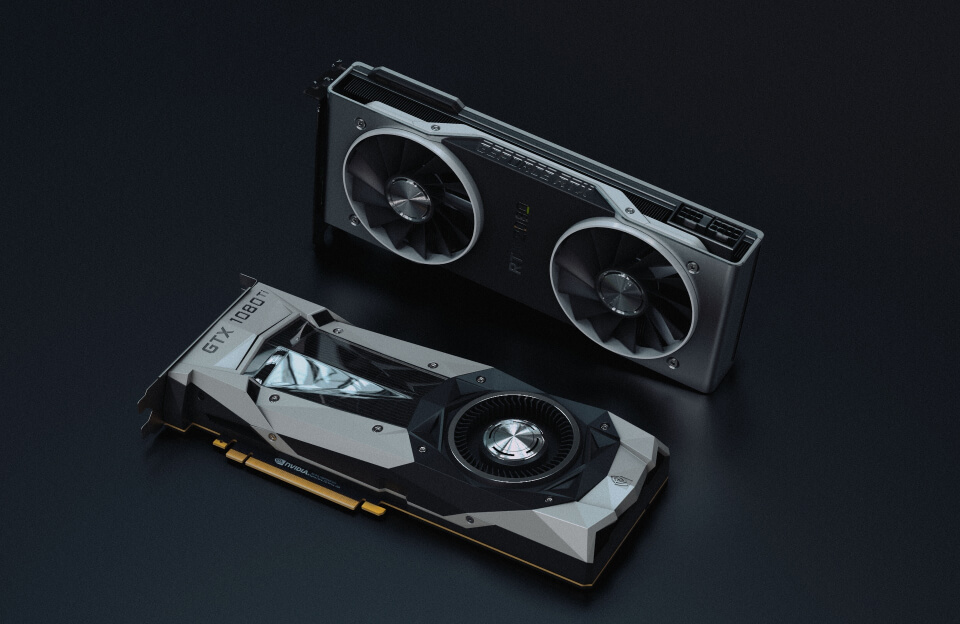
The graphics card is the heart of visual quality. Modern titles rely heavily on GPU power for real‑time lighting, shadows, and high‑resolution textures. When selecting a new GPU, consider the following:
- Resolution and Refresh Rate: A 1440p monitor demands less from the GPU than a 4K display, but a high refresh rate (144 Hz+) still requires a powerful card.
- Ray Tracing and DLSS: NVIDIA’s RTX series and AMD’s RDNA 2 support hardware‑accelerated ray tracing. DLSS (Deep Learning Super Sampling) or FSR (FidelityFX Super Resolution) can boost frame rates while maintaining visual quality.
- VRAM: 8 GB is the minimum for 1440p; 12 GB+ is recommended for 4K or future‑proofing.
- Power and Cooling: Ensure your PSU can deliver the required wattage and that your case has adequate airflow.
For example, the NVIDIA RTX 3080 offers excellent 4K performance, while the AMD Radeon RX 6800 provides strong 1440p performance with competitive ray tracing support.
Gaming PC Upgrade: CPU and Memory Synergy
A powerful GPU can be bottlenecked by an underpowered CPU or insufficient RAM. Modern games often use multi‑core CPUs for physics, AI, and background tasks. When upgrading, aim for:
- Core Count: 6–8 cores are common for high‑end gaming; 12 cores or more are beneficial for streaming or content creation.
- Clock Speed: Higher base and boost clocks translate to better single‑threaded performance, which many games still rely on.
- RAM: 16 GB is the baseline for gaming; 32 GB is ideal for future‑proofing and multitasking.
- Compatibility: Ensure the new CPU matches your motherboard socket and that the BIOS is updated.
Consider the Intel Core i9‑12900K or the AMD Ryzen 9 5900X for top‑tier performance.
Gaming PC Upgrade: Storage for Faster Load Times
Fast storage not only reduces game load times but also improves texture streaming and overall system responsiveness. Upgrade options include:
- NVMe SSD: PCIe 4.0 drives can reach speeds of 5 GB/s, dramatically cutting load times compared to SATA SSDs.
- Capacity: 1 TB is a good starting point; 2 TB or more is advisable for large game libraries.
- RAID Configurations: While RAID 0 offers speed, it sacrifices redundancy. RAID 1 provides redundancy but no speed boost.
Brands like Samsung’s 970 EVO Plus or Western Digital’s WD Black SN850 are reliable choices.
Gaming PC Upgrade: Power Supply and Cooling Solutions
Upgrading high‑end components increases power draw and heat output. A robust PSU and efficient cooling are essential to maintain stability and longevity.
- PSU Wattage: A 750 W to 850 W unit is typical for a single high‑end GPU; 1000 W+ is recommended for dual GPUs or overclocking.
- Efficiency Rating: Look for 80+ Gold or Platinum certifications to reduce power loss and heat.
- Cooling: Consider liquid cooling for the CPU and a well‑ventilated case with multiple intake/outlet fans. Proper airflow prevents thermal throttling.
Reputable PSU manufacturers include Corsair, EVGA, and Seasonic. For cooling, the Cooler Master ML240X is a popular choice for its balance of performance and noise.
Gaming PC Upgrade: Software and Driver Optimization
Hardware upgrades are only part of the equation. Optimizing drivers and in‑game settings ensures you extract maximum performance.
- Driver Updates: Install the latest GPU drivers from NVIDIA or AMD. Use the GeForce Experience or AMD’s Radeon Software for automatic updates.
- Game Settings: Adjust resolution, texture quality, and ray tracing options to balance visual fidelity and frame rates.
- Background Processes: Disable unnecessary startup programs and use tools like Process Explorer to monitor CPU usage.
- Benchmarking: Use GPU-Z or UserBenchmark to compare performance before and after the upgrade.
Conclusion: Elevate Your Gaming Experience
By carefully selecting a high‑performance GPU, pairing it with a capable CPU and ample RAM, installing fast NVMe storage, and ensuring adequate power and cooling, you can dramatically improve visual quality and overall gaming performance. Remember to keep drivers up to date and fine‑tune in‑game settings for the best balance between aesthetics and speed.
Ready to take your gaming to the next level? Start planning your Gaming PC Upgrade today and experience the difference in every frame.
Frequently Asked Questions
Q1. What is the most important component to upgrade for better visuals?
The GPU is the key driver of visual fidelity. A powerful card handles high resolutions, ray tracing, and high frame rates. Pairing it with adequate VRAM ensures textures stay sharp. Even the best GPU can be bottlenecked by a weak CPU or insufficient RAM.
Q2. How much VRAM do I need for 1440p gaming?
For 1440p, 8 GB of VRAM is the minimum to avoid texture pop‑in. 10–12 GB gives headroom for future titles and higher settings. If you plan to use ray tracing, aim for 12 GB or more.
Q3. Should I upgrade my PSU when adding a new GPU?
Yes, a higher‑end GPU can increase power draw by 150–200 W. A 750–850 W 80+ Gold PSU is typical for a single RTX 3080. If you overclock or add a second GPU, consider 1000 W or more.
Q4. Is an NVMe SSD worth the extra cost?
NVMe drives deliver faster load times and smoother texture streaming. PCIe 4.0 SSDs can reach 5 GB/s, cutting game load times by half compared to SATA. For most gamers, the performance boost justifies the price.
Q5. How do I keep my system stable after an upgrade?
Keep drivers up to date, monitor temperatures with tools like HWMonitor, and run benchmarks to confirm performance. Disable unnecessary background apps and ensure proper airflow in the case. If you overclock, test stability with stress tools.