Gaming PCs have long been celebrated for their raw power and immersive graphics, but the industry’s focus on performance has often come at the cost of flexibility. Today, however, a new wave of design philosophy is reshaping the landscape: upgrade‑friendly gaming PCs. From modular chassis to standardized component interfaces, manufacturers are making it easier than ever for gamers to swap out parts, extend their rigs, and keep pace with rapid technological advances. This shift not only extends the lifespan of a system but also empowers users to tailor performance to evolving game demands and personal preferences.
Gaming PCs: Modular Design Trends
Modularity is the cornerstone of upgrade‑friendly gaming PCs. By separating key components—such as the power supply, storage, and cooling—into independently replaceable modules, builders can upgrade individual parts without a full system overhaul. The modular power supply is a prime example: it allows users to detach unused cables, reducing clutter and improving airflow. Many modern cases now feature tool‑less drive bays and pre‑wired cable management, which streamline the process of adding or removing SSDs, GPUs, and even entire motherboard upgrades.
Gaming PCs: Standardized Component Compatibility
Standardization across the industry has made component compatibility a breeze. The PCI Express (PCI‑e) interface, for instance, has evolved to support multiple generations while maintaining backward compatibility. This means a PCI‑e 4.0 GPU can still slot into a PCI‑e 3.0 motherboard, albeit at reduced bandwidth. Likewise, the adoption of the M.2 NVMe standard for solid‑state drives has become ubiquitous, allowing gamers to upgrade storage with minimal effort. Manufacturers are also embracing the ATX form factor’s standardized mounting points, ensuring that a new motherboard can fit into an existing case with only a few screws.
Gaming PCs: Future-Proofing Through Expandable Architecture
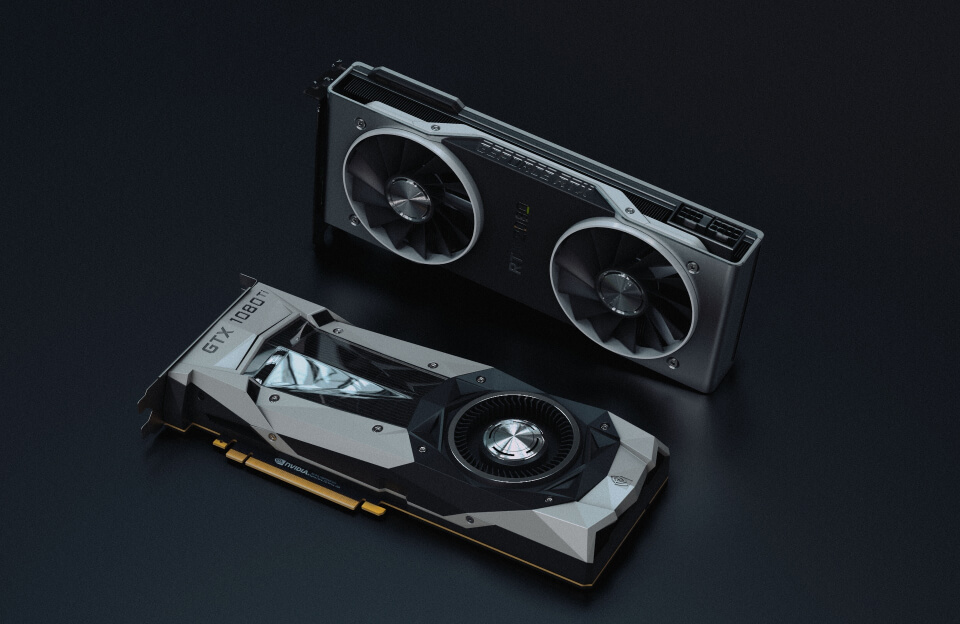
Future-proofing is a key selling point for upgrade‑friendly gaming PCs. Many new builds incorporate extra PCI‑e slots, additional M.2 slots, and ample power delivery to accommodate next‑generation GPUs and CPUs. For example, a system equipped with a 650W or higher power supply can handle the power draw of upcoming high‑end GPUs like the NVIDIA RTX 40 series without needing a new PSU. Furthermore, the inclusion of a robust cooling solution—such as a 360‑mm radiator or a high‑capacity fan array—ensures that the system can dissipate heat from more powerful components, extending the usable life of the rig.
Gaming PCs: The Role of Software in Upgrade Management
Hardware upgrades are only part of the equation; software plays a pivotal role in ensuring smooth transitions. Modern operating systems and driver ecosystems are designed to detect new hardware automatically, reducing the need for manual configuration. Tools like PCPartPicker (though not a .gov or .edu source, it remains a trusted community resource) help users plan compatible upgrades by cross‑checking component specifications. Additionally, firmware updates for motherboards often introduce support for newer CPUs and memory speeds, allowing users to upgrade their processors or RAM without replacing the entire board.
Key Upgrade-Friendly Features to Look For
- Tool‑less drive bays – Simplify adding or removing storage.
- Pre‑wired cable management – Reduce clutter and improve airflow.
- Multiple PCI‑e slots – Enable GPU or expansion card upgrades.
- High‑capacity power supplies – Future‑proof against power‑hungry components.
- Modular cooling solutions – Adapt to increased heat output.
- Standardized form factors – Ensure compatibility across cases and motherboards.
Gaming PCs: Community and Support Ecosystem
The rise of upgrade‑friendly PCs is also supported by a vibrant community of enthusiasts and professional builders. Forums such as r/buildapc provide step‑by‑step guides, troubleshooting tips, and real‑world experiences that demystify the upgrade process. Academic research from institutions like Carnegie Mellon University has also contributed to the development of more efficient cooling algorithms and power management techniques, further enhancing the longevity of gaming rigs.
Gaming PCs: Economic and Environmental Benefits
Upgrade‑friendly designs offer tangible economic advantages. Instead of purchasing a brand‑new system every few years, gamers can invest in incremental upgrades—such as a new GPU or faster SSD—thereby extending the life of their existing hardware. This approach also reduces electronic waste, aligning with growing environmental concerns. By keeping components in circulation longer, users contribute to a more sustainable tech ecosystem while still enjoying cutting‑edge performance.
Conclusion: Embrace the Upgrade-Friendly Revolution
As the gaming industry continues to evolve, the shift toward upgrade‑friendly PCs is not just a trend—it’s a strategic response to the demands of performance, sustainability, and user empowerment. By choosing systems that prioritize modularity, standardization, and future‑proofing, gamers can stay ahead of the curve without breaking the bank. Whether you’re a seasoned builder or a newcomer, the tools and resources available today make it easier than ever to keep your rig at the forefront of gaming technology.
Ready to upgrade? Explore the latest modular gaming PCs and start building a future‑proof system today!
Frequently Asked Questions
Q1. What makes a gaming PC upgrade‑friendly?
Upgrade‑friendly PCs feature modular chassis, tool‑less drive bays, and pre‑wired cable management, allowing users to swap components without a full teardown. Standardized interfaces like PCI‑e and M.2 NVMe ensure backward compatibility across generations. High‑capacity power supplies and ample cooling slots provide room for future GPUs and CPUs. Together, these design choices make it easy to keep a rig current without replacing the entire system.
Q2. How does a modular power supply benefit gamers?
A modular PSU lets you detach unused cables, reducing clutter and improving airflow inside the case. This not only keeps the interior tidy but also lowers heat buildup, which can extend component life. Additionally, modular cables are easier to route, making upgrades or repairs less stressful. Many modern PSUs come with a range of cable lengths to accommodate different case sizes.
Q3. Can I upgrade to a PCI‑e 5.0 GPU in a PCI‑e 3.0 motherboard?
Yes, PCI‑e is designed for backward compatibility. A PCI‑e 5.0 GPU will fit into a PCI‑e 3.0 slot, but it will operate at the lower bandwidth of the older standard. For most gaming workloads, the performance difference is minimal, but you’ll still benefit from the GPU’s core improvements. If you plan to use the GPU for future workloads, consider a newer motherboard that supports PCI‑e 4.0 or 5.0.
Q4. What power supply wattage should I choose for future‑proofing?
Choosing a 650W or higher PSU is a good rule of thumb for future‑proofing. High‑end GPUs like the NVIDIA RTX 40 series can draw 300W or more, and a 650W supply provides headroom for overclocking and additional components. Look for 80 Plus Gold or Platinum efficiency ratings to keep power consumption low. A modular PSU with ample cables will also simplify future upgrades.
Q5. Are there software tools that help plan upgrades?
Yes, tools like PCPartPicker allow you to cross‑check component compatibility and estimate power requirements. Motherboard firmware updates often add support for newer CPUs and memory speeds, so keep your BIOS up to date. Operating systems now auto‑detect new hardware, reducing manual driver installs. These tools together streamline the upgrade process and help avoid compatibility pitfalls.