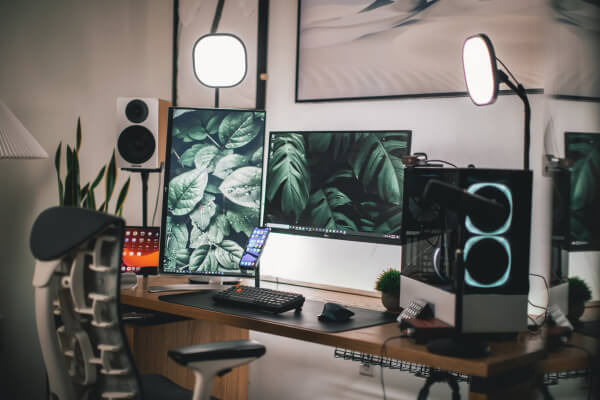
Building a gaming PC that delivers high performance without breaking the bank is a balancing act. The term cost-effective gaming PC components refers to selecting parts that offer the best value for their price, ensuring you get the most bang for every dollar spent. In this guide, we’ll walk through the key factors that influence cost efficiency, from CPU and GPU choices to power supply and cooling solutions, and provide actionable tips to help you assemble a machine that performs well while staying within budget.
Prioritize Performance per Dollar
When evaluating components, the first metric to consider is the performance per dollar ratio. This metric compares the benchmark score of a part to its price, giving you a clear picture of how much performance you’re getting for each dollar spent. Benchmark sites such as CPU Benchmark and GPU Benchmark provide up‑to‑date data that can help you spot the best deals. Look for components that consistently rank high in performance per dollar, especially in the mid‑range tier where the price drop is often the steepest.
Choose the Right CPU
The central processing unit (CPU) is the brain of your system. For gaming, a CPU with a high single‑thread performance is often more valuable than one with many cores that are underutilized. The CPU Wikipedia page explains the fundamentals of how cores, threads, and clock speeds affect performance. In the cost‑effective range, AMD’s Ryzen 5 5600X and Intel’s Core i5‑12400F provide excellent single‑thread performance at a fraction of the price of flagship models. Pairing a mid‑tier CPU with a capable GPU ensures that neither component bottlenecks the other.
Balance GPU and Memory
The graphics processing unit (GPU) is the most expensive component in a gaming rig, but it also delivers the most noticeable performance gains. When selecting a GPU, consider the resolution and refresh rate you plan to play at. For 1080p gaming, a mid‑range card such as the NVIDIA GeForce RTX 3060 or AMD Radeon RX 6600 XT offers excellent performance without the premium price of higher‑end models. The GPU Wikipedia page provides a technical overview of how GPUs work and why certain models excel at specific workloads.
Memory (RAM) is another critical factor. While 8 GB is the bare minimum for modern games, 16 GB is the sweet spot for most players. Opt for a dual‑channel kit with a speed of at least 3200 MHz. The CMU RAM overview explains how memory bandwidth and latency impact gaming performance.
Optimize Cooling and Power
Efficient cooling and a reliable power supply unit (PSU) are essential for maintaining performance and longevity. A good CPU cooler can reduce temperatures by 10–15 °C, which often translates to higher sustained clock speeds. Budget air coolers such as the Cooler Master Hyper 212 EVO provide solid cooling for a low price. For power, aim for a PSU with an 80 Plus Bronze rating or better. The PSU Wikipedia page details the importance of efficiency and headroom. Additionally, the U.S. Department of Energy’s Energy Efficiency Program offers guidelines on selecting energy‑efficient components, which can lower your electricity bill over time.
Checklist for Cost-Effective Builds
- Set a clear budget and stick to it.
- Use performance‑per‑dollar charts to compare CPUs and GPUs.
- Choose a mid‑tier CPU (Ryzen 5 5600X or i5‑12400F).
- Select a GPU that matches your target resolution (RTX 3060 or RX 6600 XT for 1080p).
- Install 16 GB of DDR4 RAM at 3200 MHz or higher.
- Pick a reputable 80 Plus Bronze PSU with 500–650 W.
- Opt for a budget air cooler or a low‑cost AIO if you plan to overclock.
- Check for bundle deals and seasonal sales.
- Read recent reviews and benchmark tests before purchasing.
- Plan for future upgrades by leaving room for a higher‑end GPU or CPU.
Conclusion: Build Smart, Play Hard
Choosing cost-effective gaming PC components is all about smart trade‑offs. By focusing on performance per dollar, selecting a balanced CPU‑GPU pair, and ensuring efficient cooling and power delivery, you can assemble a machine that delivers smooth gameplay at 1080p or even 1440p without overspending. Remember to keep an eye on benchmark data, read reputable reviews, and take advantage of sales cycles to squeeze the most value out of every dollar.
Ready to start building? Visit our Gaming PC Builder Tool to compare components, get personalized recommendations, and find the best deals on the market. Build smarter, play harder, and enjoy the thrill of gaming without the financial strain.
Frequently Asked Questions
Q1. What is the best CPU for a budget gaming build?
For most budget gamers, a mid‑range CPU that delivers strong single‑thread performance is ideal. The AMD Ryzen 5 5600X and Intel Core i5‑12400F are popular choices because they offer excellent performance at a lower price than flagship models. They pair well with mid‑tier GPUs, ensuring neither component bottlenecks the other. If you’re on an even tighter budget, the Ryzen 5 3600 still provides solid performance for 1080p gaming. Overall, choose a CPU that balances price, performance, and future upgrade potential.
Q2. Which GPU offers the best performance per dollar?
The NVIDIA GeForce RTX 3060 and AMD Radeon RX 6600 XT are currently the leaders in the 1080p gaming segment for value. Both cards deliver 60–70 fps in modern titles at 1080p with medium settings, and they are priced well below higher‑end GPUs. Benchmark sites like GPU‑Benchmark.net show that these cards provide the highest performance per dollar in their price range. If you plan to play at 1440p, consider the RTX 3060 Ti or RX 6700 XT, which still offer good value for the extra cost. Always check current prices and sales before purchasing.
Q3. How much RAM do I need for modern games?
While 8 GB is the minimum for many games, 16 GB of DDR4 RAM at 3200 MHz or higher is the sweet spot for most players. Dual‑channel kits improve memory bandwidth, which can boost frame rates in memory‑intensive titles. If you plan to stream or run multiple applications simultaneously, 32 GB may be worth the extra cost. For a strict budget build, 16 GB is sufficient for 1080p gaming and future‑proofing to some extent. Always match your RAM speed with your motherboard’s supported frequencies.
Q4. Should I invest in a better PSU for a budget build?
A reliable power supply is essential for stability and longevity. An 80 Plus Bronze PSU with 500–650 W is adequate for most mid‑tier builds, but opting for a Gold rating can improve efficiency and reduce heat. A higher‑quality PSU also offers better protection against voltage spikes, which can safeguard your components. If you plan to overclock or upgrade later, consider a PSU with extra headroom. In most cases, a reputable brand like Seasonic, EVGA, or Corsair provides good value.
Q5. Are there any hidden costs I should consider when building a budget PC?
Yes, several factors can add to the overall cost. First, don’t forget the price of a monitor, keyboard, mouse, and operating system, which can add a few hundred dollars. Second, consider the cost of future upgrades, such as a higher‑end GPU or additional storage. Third, power consumption can affect your electricity bill, especially if you run the PC for many hours a day. Finally, if you’re not comfortable building, you may need to pay for professional assembly or troubleshooting. Planning ahead can help keep your total expenditure within budget.