Upgrading a gaming PC can feel like a daunting task, especially when you’re worried about breaking the bank or replacing every component. However, with a clear plan and the right knowledge, you can Upgrade Gaming PC without replacing everything. By focusing on the most impactful parts—graphics card, CPU, RAM, storage, power supply, and cooling—you’ll get the performance boost you need while keeping costs manageable.
Upgrade Gaming PC: Assess Your Current Build
Before you start buying new parts, take inventory of what you already have. Check the specifications of your motherboard, power supply, and case. Knowing the limits of your current system will help you avoid incompatible upgrades. For example, a 450‑W PSU may not support a high‑end GPU, and an older motherboard might not support the latest DDR5 memory. Use tools like Newegg’s PC Builder or PCPartPicker to cross‑check compatibility.
Upgrade Gaming PC: Choose the Right Graphics Card
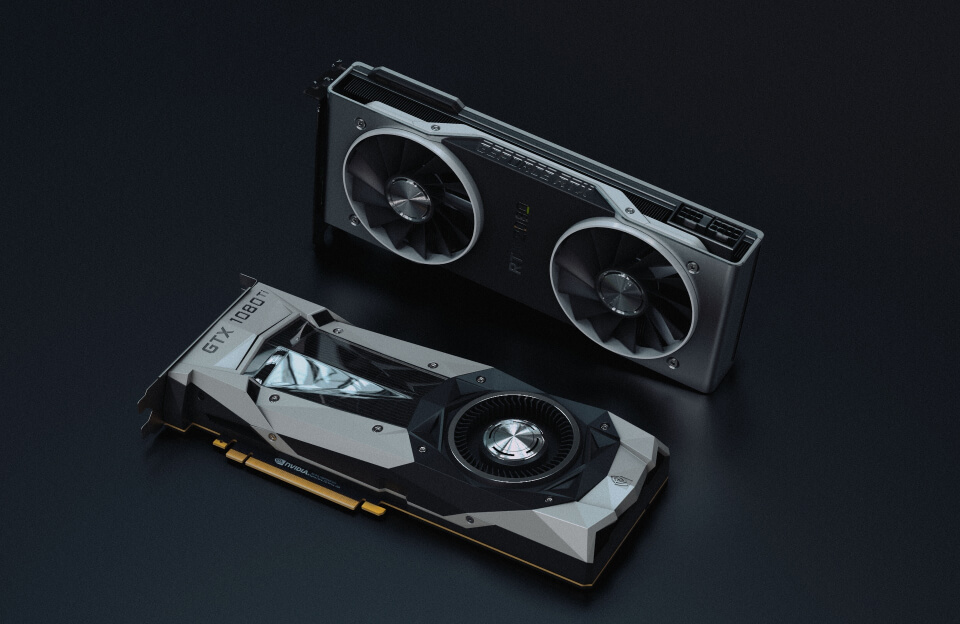
The graphics card is often the single most significant upgrade for gaming performance. Look for a GPU that matches your resolution and refresh rate goals. If you’re playing at 1080p, a mid‑range card like the RTX 3060 or AMD Radeon RX 6600 can deliver excellent frame rates. For 1440p or 4K, consider higher‑tier options such as the RTX 4070 Ti or RX 7900 XTX. Keep an eye on power draw; a new GPU may require a stronger PSU. Refer to the Graphics Processing Unit page for detailed specifications.
Upgrade Gaming PC: Optimize CPU and RAM
While the GPU often steals the spotlight, a bottlenecked CPU or insufficient RAM can still limit performance. If your processor is older than 2015, a CPU upgrade can provide noticeable gains, especially in CPU‑intensive titles like strategy or simulation games. Pair the new CPU with compatible DDR4 or DDR5 memory; aim for at least 16 GB for modern games, with 32 GB being ideal for future‑proofing. The CPU and RAM pages offer a good overview of performance differences.
Upgrade Gaming PC: Upgrade Storage and Power Supply
Fast storage can dramatically reduce load times and improve overall system responsiveness. Replacing a mechanical HDD with an SSD upgrade—preferably NVMe—can cut load times from minutes to seconds. The SSD article explains the benefits of NVMe over SATA. Additionally, if you’re adding a powerful GPU, you’ll likely need a higher‑wattage power supply. A 650‑W or 750‑W unit is a safe bet for most mid‑range to high‑end builds. The Power Supply Unit page details wattage recommendations based on component choices.
Upgrade Gaming PC: Enhance Cooling and Case Airflow
Upgrading components often increases heat output. A robust cooling system keeps temperatures in check, ensuring stable performance and longevity. Consider adding or upgrading case fans, installing a better CPU cooler (air or liquid), and ensuring proper cable management to improve airflow. The Computer Cooling page provides insights into passive vs. active cooling solutions.
Step‑by‑Step Upgrade Checklist
- Inventory your current components and note their specifications.
- Determine your budget and prioritize upgrades that deliver the most value.
- Choose a graphics card that matches your resolution and refresh rate goals.
- Upgrade the CPU and RAM if they’re bottlenecks.
- Replace the mechanical drive with an SSD upgrade for faster load times.
- Upgrade the power supply to accommodate new power demands.
- Improve cooling with better fans or a new CPU cooler.
- Test the system, monitor temperatures, and tweak settings for optimal performance.
Final Thoughts and Call to Action
Upgrading a gaming PC doesn’t have to mean a full rebuild. By strategically selecting key components—graphics card, CPU, RAM, SSD, power supply, and cooling—you can Upgrade Gaming PC for a smoother, more immersive experience without breaking the bank. Keep your system’s compatibility in mind, invest in quality parts, and enjoy the thrill of a fresh, high‑performance rig.
Ready to Upgrade Gaming PC? Start planning your next build today and experience the difference a well‑chosen upgrade can make. Explore compatible parts now and take your gaming to the next level.
Frequently Asked Questions
Q1. Which component should I upgrade first for the best bang‑for‑buck?
For most gamers, the graphics card delivers the biggest performance jump, especially if you’re playing at 1080p or higher. A mid‑range GPU like the RTX 3060 or RX 6600 can boost frame rates dramatically without a huge investment. If your current GPU is older than a few years, it’s usually the first priority.
Q2. How do I check if my parts are compatible before buying?
Use online tools such as PCPartPicker or Newegg’s PC Builder to cross‑check motherboard sockets, power requirements, and case dimensions. These sites will flag any incompatibilities, such as a 450‑W PSU that can’t support a new high‑end GPU. Always double‑check the manual for your motherboard and PSU as well.
Q3. Do I need a new power supply when adding a powerful GPU?
Yes, most modern GPUs draw between 200–350 W, so a 650‑W or 750‑W PSU is recommended for mid‑range to high‑end builds. If your current PSU is below 450 W, it’s likely insufficient for a new GPU and could cause instability or damage. Look for units with 80 Plus Bronze or better for efficiency.
Q4. Is an SSD upgrade worth the time and money?
Absolutely. Replacing a mechanical HDD with an NVMe SSD reduces load times from minutes to seconds and improves overall system responsiveness. Even a SATA SSD is a huge upgrade over a spinning drive, but NVMe offers the best performance for gaming. The cost difference is minimal compared to the benefit.
Q5. How can I improve cooling without buying a new case?
Start by adding or upgrading case fans to improve airflow, then consider a better CPU cooler—air or liquid—depending on your budget. Cable management also helps by allowing air to flow freely. If your case supports it, installing a rear exhaust fan can further reduce temperatures.