Understanding the ebb and flow of component pricing trends is essential for anyone looking to build a PC that balances performance with budget. In the past decade, the cost of CPUs, GPUs, memory, and storage has fluctuated dramatically, driven by supply chain disruptions, geopolitical tensions, and shifts in consumer demand. By dissecting these trends, you can make smarter purchasing decisions, anticipate future price movements, and ultimately save money without sacrificing quality.
1. The Anatomy of Component Pricing
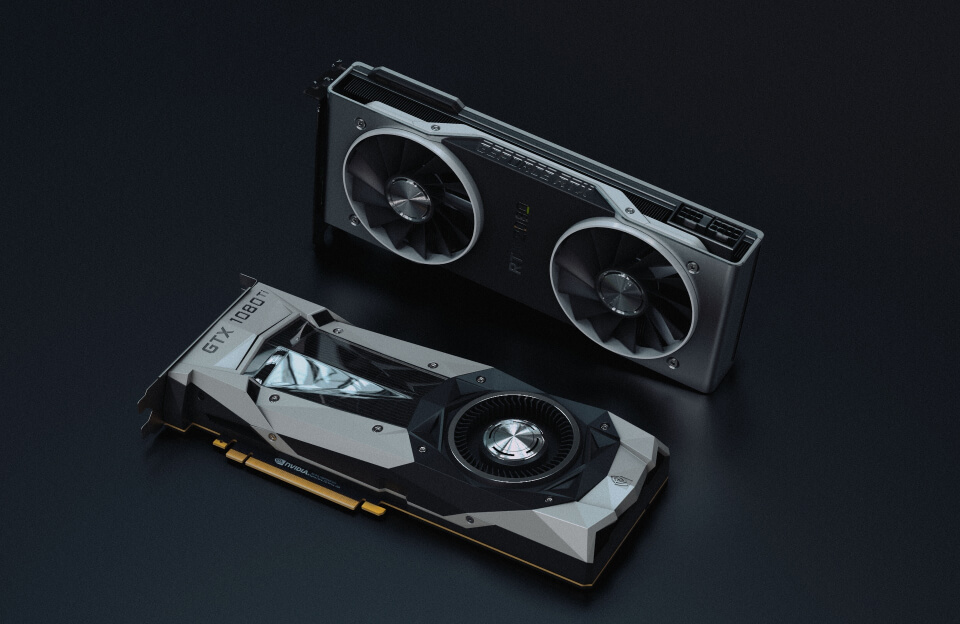
Component pricing is not a static figure; it is the result of a complex interplay between manufacturing costs, market demand, and external economic forces. For example, the price of a high‑end GPU is influenced by the cost of silicon wafers, the efficiency of the fabrication plant, and the demand from gamers and cryptocurrency miners. Similarly, memory prices can spike when a new generation of DDR5 sticks is released, as manufacturers ramp up production to meet early adopters’ needs.
2. Supply Chain Shocks and Their Impact
Recent years have highlighted how fragile the global supply chain can be. The COVID‑19 pandemic, coupled with the 2021 semiconductor shortage, caused a surge in component prices that lasted well into 2023. When factories shut down or faced labor shortages, the resulting bottleneck pushed prices upward. Even after production normalized, the lingering effects of inventory shortages kept prices elevated for months.
Another factor is geopolitical tension. Trade restrictions between the United States and China, for instance, have led to tariffs on key electronic components, adding an extra layer of cost that manufacturers pass on to consumers. The U.S. Department of Commerce’s Commerce Department regularly publishes updates on trade policies that can affect component pricing.
3. Demand Dynamics: Gaming, Workstations, and Crypto
Demand is a powerful driver of price. The gaming industry’s relentless pursuit of higher frame rates and better graphics pushes GPU manufacturers to innovate, often at a premium. Workstation users, such as video editors and 3D artists, require GPUs with large VRAM capacities, which are typically more expensive. Meanwhile, the rise and fall of cryptocurrency mining have historically caused sharp spikes in GPU demand, leading to temporary price inflation.
When demand outpaces supply, prices rise. Conversely, when demand wanes—such as after a major game release cycle or when mining profitability drops—prices can fall. Understanding these cycles helps you time your purchases for maximum value.
4. Inflation and Currency Fluctuations
Macroeconomic factors like inflation and currency exchange rates also play a role. The U.S. Bureau of Labor Statistics tracks the Consumer Price Index (CPI), which provides insight into how inflation affects electronics. When the dollar weakens against the Japanese yen, for example, imported components become more expensive, pushing up retail prices.
For international buyers, it’s crucial to monitor exchange rates. A 5% depreciation in the local currency can translate into a noticeable price hike for imported GPUs or CPUs. Tools like XE Currency Converter can help you gauge the impact of currency fluctuations on your build budget.
5. Technological Advancements and Cost Reduction
While supply chain issues and demand spikes can inflate prices, technological progress often brings cost reductions. The transition from DDR4 to DDR5 memory, for instance, initially saw higher prices due to limited production capacity. Over time, as fabs increased output and economies of scale kicked in, DDR5 prices began to converge with DDR4, offering better performance at a comparable cost.
Similarly, the adoption of 7nm and 5nm process nodes in CPUs has allowed manufacturers to pack more transistors into a single chip, improving performance while keeping manufacturing costs in check. This trend suggests that future component pricing may stabilize as newer technologies mature.
6. Practical Tips for Navigating Price Trends
Below is a quick checklist to help you stay ahead of component pricing trends:
- Track Historical Prices: Use price‑tracking websites like PCPartPicker to see how prices have fluctuated over time.
- Set Alerts: Many retailers offer price‑drop alerts. Sign up for notifications from Newegg or Amazon.
- Consider Refurbished or Open‑Box Items: Certified refurbished GPUs can offer significant savings with minimal risk.
- Buy During Sales Events: Major sales like Black Friday, Cyber Monday, and back‑to‑school periods often feature deep discounts on PC components.
- Watch for New Releases: When a new generation of CPUs or GPUs launches, older models typically drop in price.
7. The Future Outlook: What to Expect in the Next 12 Months
Industry analysts predict that the semiconductor supply chain will gradually stabilize as fabs expand capacity and new manufacturing plants come online. However, geopolitical tensions and potential trade policy changes remain a risk factor. For consumers, this means that while prices may normalize, occasional spikes could still occur, especially during major product launches.
In addition, the growing demand for AI and machine learning workloads is driving interest in specialized GPUs and high‑bandwidth memory. These components may command premium prices for the foreseeable future, but as the market matures, we can expect more competitive pricing.
8. Conclusion: Mastering Component Pricing Trends for Smart Builds
By staying informed about the forces that shape component pricing trends—supply chain dynamics, demand cycles, inflation, and technological progress—you can make strategic purchasing decisions that align with your budget and performance goals. Keep an eye on price trackers, set alerts, and time your purchases around sales events to capture the best deals.
Ready to build your next PC without breaking the bank? Start by researching current component prices, comparing reputable retailers, and planning your build around upcoming sales events. Your future self will thank you for the savings and performance you’ll enjoy.
Frequently Asked Questions
Q1. What drives the price of GPUs in the current market?
GPU prices are influenced by silicon wafer costs, fabrication efficiency, and demand from gamers, content creators, and cryptocurrency miners. Supply chain disruptions can also push prices higher as production slows. When new generations launch, older models often see price drops.
Q2. How do supply chain shocks affect component pricing?
Events like the COVID‑19 pandemic or semiconductor shortages create bottlenecks that raise manufacturing costs. Factories shut down or face labor shortages, leading to inventory shortages that keep prices elevated even after production normalizes.
Q3. Can currency fluctuations significantly impact my build budget?
Yes. A weaker local currency against the dollar or yen makes imported components more expensive. Even a 5% depreciation can translate into noticeable price hikes for GPUs and CPUs.
Q4. What are the best strategies to time purchases for the best deals?
Track historical prices on sites like PCPartPicker, set alerts on Newegg or Amazon, consider refurbished items, and buy during major sales events such as Black Friday or back‑to‑school periods.
Q5. Will component prices stabilize in the next year?
Industry analysts expect supply chains to gradually stabilize as fabs expand, but geopolitical tensions and AI demand could still cause occasional spikes. Monitoring market trends will help you anticipate these changes.