When the next wave of next‑gen games drops, you’ll want your system to run them at the highest settings without lag. A well‑planned Gaming PC Upgrade can transform a mid‑range rig into a powerhouse capable of 4K, ray tracing, and smooth 144 fps. This guide walks you through the essential steps—assessing your current build, identifying bottlenecks, selecting the right GPU and CPU, and balancing memory, storage, and cooling—all while keeping your budget in check.
Gaming PC Upgrade: Assess Your Current Build
Before you buy new parts, take inventory of what you already have. Check the model and specifications of your CPU, GPU, motherboard, RAM, and storage. Use tools like CPU Wikipedia and GPU Wikipedia to confirm compatibility. Pay special attention to power supply capacity and case airflow—these often become hidden bottlenecks when you upgrade.
Gaming PC Upgrade: Prioritize the Next‑Gen Bottlenecks
Next‑gen titles demand more from GPUs and CPUs than older games. Identify which component limits performance by running benchmarks such as 3DMark or the built‑in tests in NVIDIA’s GeForce Experience. If frame rates stall at 30 fps on a 4K display, the GPU is likely the culprit. If you see high CPU usage but the GPU is idle, the CPU is the bottleneck. This prioritization ensures you invest where it matters most.
Gaming PC Upgrade: Choose the Right GPU and CPU Combo
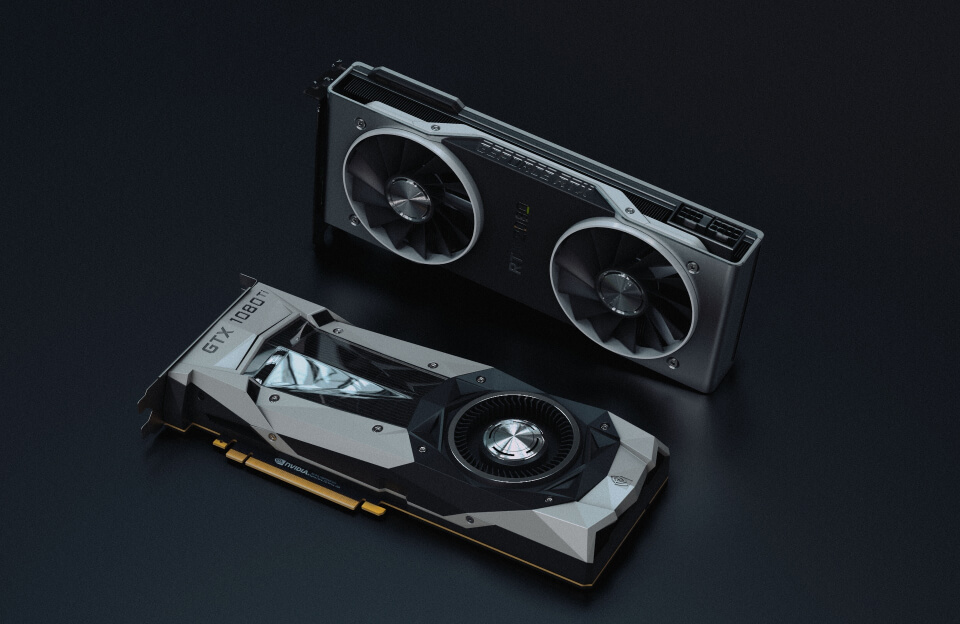
Once you know the bottleneck, select a GPU and CPU that complement each other. For next‑gen gaming, consider GPUs like the AMD Radeon RX 7000 series or NVIDIA’s RTX 40 series, both of which support real‑time ray tracing and DLSS/FSR upscaling. Pair them with a recent CPU—AMD Ryzen 7000 or Intel Alder Lake—ensuring the socket and chipset match your motherboard. Avoid mixing a high‑end GPU with an older CPU; the CPU will throttle the GPU’s potential.
Gaming PC Upgrade: Memory, Storage, and Cooling Considerations
Next‑gen games often require 16 GB of RAM or more. Upgrade to DDR5 if your motherboard supports it, as it offers higher bandwidth and lower latency. For storage, a PCIe 4.0 NVMe SSD delivers faster load times; aim for at least 1 TB to accommodate large game libraries. Cooling is critical—install a high‑quality air cooler or a 240‑mm AIO liquid cooler to keep temperatures below 80 °C under load. Don’t forget to update your case fans or add a dedicated intake/outlet pair for optimal airflow.
Gaming PC Upgrade: Budgeting and Upgrade Phasing
Upgrading all components at once can strain your budget. Create a phased plan: start with the GPU, then the CPU, followed by RAM, SSD, and finally cooling. Use price‑tracking sites and wait for sales to maximize value. Keep an eye on NVIDIA’s official site and AMD’s official site for MSRP changes. Allocate a contingency fund for unforeseen compatibility issues, such as a new motherboard or power supply upgrade.
Upgrade Checklist
- GPU: RTX 40 or RX 7000 series
- CPU: Ryzen 7000 or Alder Lake
- RAM: 32 GB DDR5
- Storage: 1 TB NVMe SSD
- Cooling: 240‑mm AIO or high‑end air cooler
- Power Supply: 750 W 80+ Gold
- Case: Mid‑tower with good airflow
Conclusion: Take the Leap with Confidence
By systematically evaluating your current setup, targeting the real bottlenecks, and selecting components that work in harmony, you’ll future‑proof your rig for the next‑gen gaming era. Remember to keep an eye on benchmarks, read reviews, and stay within your budget.