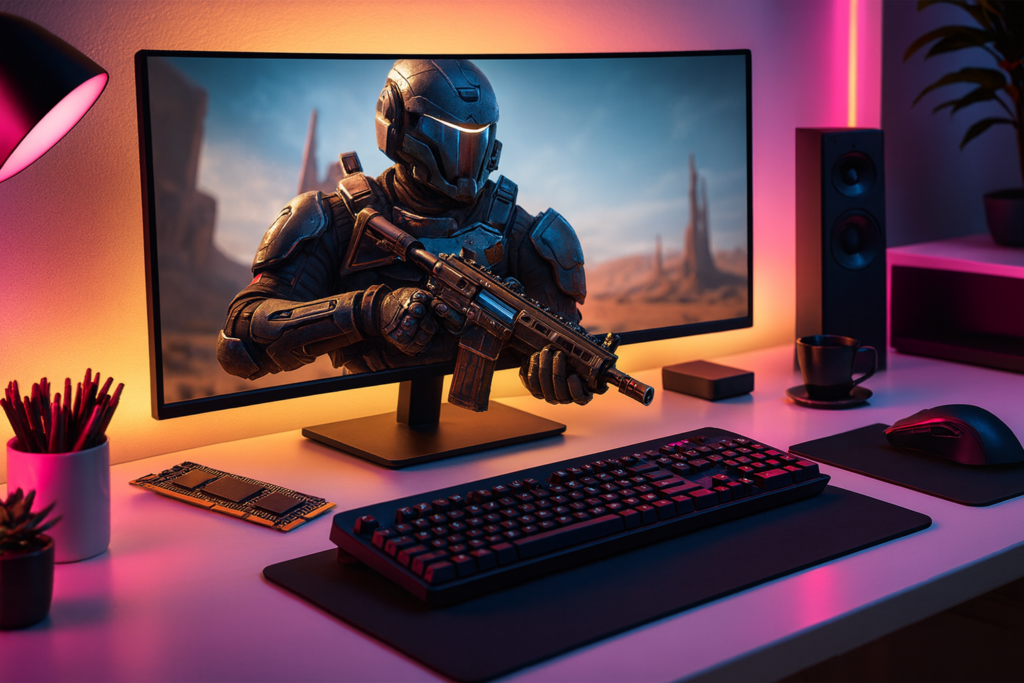
Stalker 2 Heart of Chornobyl has finally arrived, and it’s reshaping the post‑apocalyptic gaming landscape. The title, a direct nod to the infamous Chernobyl disaster, promises a visceral blend of survival horror, atmospheric storytelling, and cutting‑edge graphics. In this review, we’ll dissect the game’s core mechanics, narrative depth, visual fidelity, and overall impact on the genre.
Immersive Worldbuilding: The Heart of Chornobyl
At its core, Stalker 2 Heart of Chornobyl is a meticulously crafted sandbox that places players in the ruins of the Chernobyl Exclusion Zone. The developers have leveraged real‑world data to recreate the site’s geography, flora, and radiation hotspots. According to the Wikipedia entry on Chernobyl, the zone’s complex topography and lingering contamination provide a perfect backdrop for a game that thrives on tension and uncertainty.
The game’s environmental AI is a standout feature. Enemies, known as “Stalkers,” adapt to player behavior, forcing you to constantly reassess tactics. The dynamic weather system—ranging from sudden fog to lethal radiation storms—adds layers of realism that keep you on edge. The developers have also introduced a “radiation meter” that tracks exposure in real time, echoing the real‑world dangers highlighted by the NRC.gov reports on nuclear safety.
Game Mechanics: Survival Meets Strategy
Stalker 2 Heart of Chornobyl refines the survival mechanics that defined its predecessor while adding strategic depth. Players must manage hunger, thirst, and radiation levels, all of which influence combat performance. The inventory system is streamlined yet robust, allowing you to craft improvised weapons from scavenged parts. The “modular weapon” feature lets you swap barrels, scopes, and silencers on the fly, encouraging experimentation.
Combat is tense and deliberate. The game rewards patience over brute force, with a cover system that feels both intuitive and satisfying. Enemy AI is sophisticated: some stalkers will flank, others will call for backup, and a few will attempt to ambush you from the shadows. The “stealth mode” allows you to move silently, but it comes at the cost of slower movement and limited ammo.
Key Mechanics Breakdown
- Radiation Management: Real‑time meter, protective gear, and decontamination stations.
- Dynamic Weather: Fog, storms, and radiation bursts alter visibility and health.
- Modular Weapons: Customizable loadouts for varied playstyles.
- Stealth & Cover: Tactical positioning is essential for survival.
- Resource Scarcity: Limited supplies encourage careful planning.
Visuals and Audio: A New Benchmark
Graphically, Stalker 2 Heart of Chornobyl sets a new standard for the genre. The game’s engine delivers photorealistic textures, dynamic lighting, and realistic particle effects. The desaturated color palette captures the bleakness of the zone, while subtle color shifts hint at hidden dangers. The developers have also introduced a “night vision” mode that simulates the glow of bioluminescent fungi, adding a layer of atmospheric immersion.
Audio design is equally impressive. The soundtrack, composed by a team of veteran musicians
Frequently Asked Questions
Q1. What is the core premise of Stalker 2 Heart of Chornobyl?
Stalker 2 Heart of Chornobyl places players in a meticulously recreated Chernobyl Exclusion Zone, blending survival horror with open‑world exploration. The narrative follows a lone stalker navigating radiation‑laden ruins while uncovering hidden secrets. Players must balance resource management, combat, and stealth to survive the hostile environment. The game’s story is driven by player choices, offering multiple branching outcomes. Overall, it delivers a tense, atmospheric experience rooted in real‑world geography.
Q2. How does the radiation system affect gameplay?
The radiation meter tracks exposure in real time, forcing players to seek protective gear or decontamination stations. High radiation levels degrade health, reduce weapon accuracy, and can trigger hallucinations. Players must strategically plan routes to avoid hotspots and manage their gear inventory. The system adds a layer of realism that heightens tension during exploration. It also encourages careful resource allocation and risk assessment.
Q3. What new combat mechanics are introduced?
Stalker 2 introduces a modular weapon system, allowing players to swap barrels, scopes, and silencers on the fly. The cover system feels intuitive, with dynamic environmental objects providing protection. Enemy AI now includes flanking, backup calls, and ambush tactics. Stealth mode offers silent movement at the cost of speed and ammo. These mechanics reward patience and strategic planning over brute force.
Q4. How realistic is the environmental AI?
The environmental AI adapts to player behavior, creating unpredictable encounters. Weather changes—from fog to radiation storms—alter visibility and health, adding realism. Enemies react to noise and light, forcing players to consider stealth. The AI also adjusts difficulty based on player performance, maintaining a balanced challenge. This dynamic system keeps gameplay fresh and engaging.
Q5. Is the game available on multiple platforms?
Stalker 2 Heart of Chornobyl launches on PC, PlayStation 5, and Xbox Series X|S. Each platform offers optimized graphics and performance settings. Cross‑play is not supported, but cross‑save functionality allows progress to carry between PC and consoles. The game’s high system requirements mean PC players can enjoy the best visual fidelity. Console players benefit from streamlined controls and exclusive features.