Building a gaming PC that delivers peak performance without breaking the bank requires a disciplined, component-wise spending strategy. By evaluating each part—CPU, GPU, memory, storage, power supply, and cooling—through the lens of performance per dollar, you can assemble a machine that feels like a high-end rig while staying within your budget. This guide walks you through that strategy, offering practical tips, real-world examples, and authoritative resources to help you make informed decisions.
Component-Wise Spending Strategy: Prioritize the CPU
The central processing unit (CPU) is the brain of your gaming PC. It handles everything from game logic to physics calculations. When allocating funds, consider the following:
- Core Count vs. Clock Speed – Modern games benefit from higher clock speeds, but multi-core performance is essential for streaming and multitasking.
- Integrated Graphics – If you’re on a tight budget, a CPU with integrated graphics (e.g., AMD Ryzen 5 5600G) can eliminate the need for a discrete GPU until you’re ready to upgrade.
- Future-Proofing – Invest in a CPU that supports the latest instruction sets and has a robust overclocking headroom if you plan to tweak performance.
For a balanced build, a mid-range processor like the AMD Ryzen 5 5600X offers excellent performance per dollar, while the Intel Core i5‑12400 provides comparable value with a slightly lower price point.
Component-Wise Spending Strategy: Allocate for the GPU
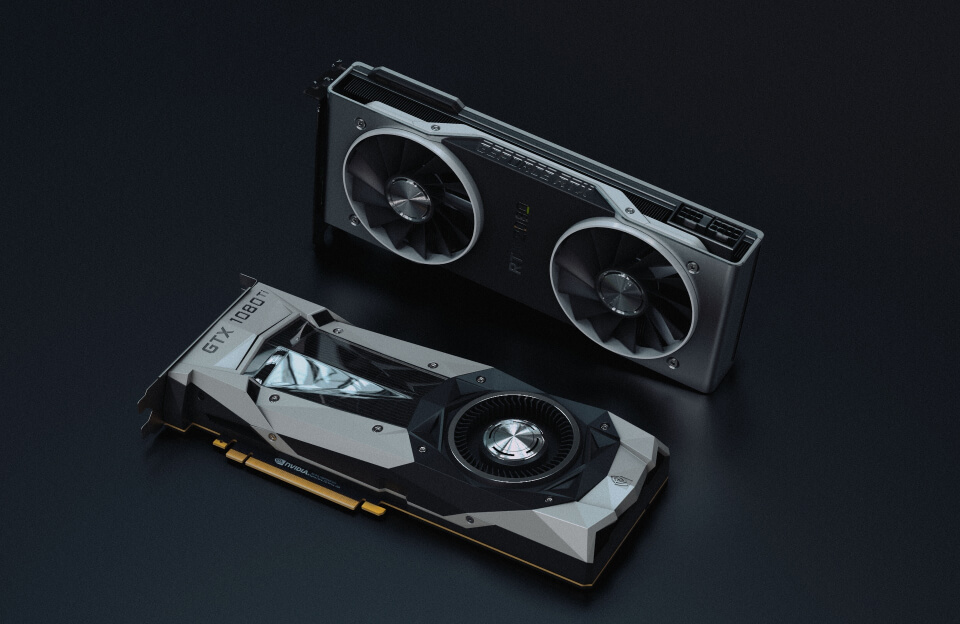
The graphics processing unit (GPU) is often the most expensive component in a gaming PC. However, you can still find great value by focusing on the following criteria:
- Ray Tracing and DLSS Support – If you want cutting‑edge visual fidelity, choose a GPU that supports real-time ray tracing and AI upscaling.
- Memory Capacity – 8 GB is the minimum for modern titles; 12 GB or 16 GB is ideal for future-proofing.
- Power Consumption – Higher-end GPUs draw more power; ensure your power supply can handle the load.
Mid-tier options such as the NVIDIA GeForce RTX 3060 or the AMD Radeon RX 6600 XT deliver solid 1080p and 1440p performance without the premium price tag of flagship cards.
Component-Wise Spending Strategy: Optimize Memory and Storage
RAM and storage are often overlooked but can dramatically affect gaming experience. Here’s how to spend wisely:
- RAM Size and Speed – 16 GB of DDR4 at 3200 MHz is a sweet spot for most games. Faster memory can yield marginal gains, but the price difference may not justify the performance boost.
- SSD vs. HDD – A 500 GB NVMe SSD for the operating system and key titles reduces load times, while a secondary 1 TB HDD can house additional media.
- Future Upgrades – Choose a motherboard with extra DIMM slots and M.2 bays to accommodate future expansions.
For example, the Crucial P5 NVMe SSD offers high read/write speeds at a competitive price, making it a popular choice among budget builders.
Component-Wise Spending Strategy: Power Supply and Cooling
A reliable power supply unit (PSU) and effective cooling system are essential for stability and longevity. Allocate funds as follows:
- Wattage – Calculate total power draw and add a 20–30% safety margin. A 650 W PSU is sufficient for most mid-range builds.
- Efficiency Rating – Aim for an 80 PLUS Gold rating to reduce energy consumption and heat output.
- Cooling Solutions – Stock or aftermarket air coolers can keep temperatures low without excessive noise. For overclockers, consider a liquid cooling loop.
Brands like Corsair and EVGA offer a range of PSUs that balance cost and reliability. Pairing a solid PSU with a quiet fan set ensures your system stays cool during extended gaming sessions.
Component-Wise Spending Strategy: Final Assembly and Testing
Once you’ve selected each component, the final step is to assemble and test your build. Follow these best practices:
- Static Precautions – Ground yourself before touching internal parts to avoid electrostatic discharge.
- BIOS Updates – Update the motherboard BIOS to the latest version for improved compatibility and performance.
- Driver Installation – Install the latest GPU drivers from the manufacturer’s website to unlock maximum performance.
- Benchmarking – Use tools like UserBenchmark or CPU‑Benchmark to verify that your system meets expected performance metrics.
Testing ensures that any bottlenecks are identified early, allowing you to tweak settings or upgrade components before committing to a full gaming session.
Component-Wise Spending Strategy: Conclusion and Call to Action
By applying a component-wise spending strategy, you can craft a gaming PC that balances performance, cost, and future-proofing. Prioritize the CPU and GPU, optimize memory and storage, and invest in a reliable PSU and cooling system. Remember, the goal is to maximize performance per dollar, not just to buy the most expensive parts.
Ready to build your dream gaming PC? Start by creating a detailed budget, research each component using the links above, and follow this strategy to ensure every dollar is well spent. Happy building!
Frequently Asked Questions
Q1. How do I decide which CPU to prioritize in a budget build?
Choosing a CPU depends on your budget, the games you play, and future needs. Look for a processor with a high single‑core clock for gaming, but also enough cores for streaming or multitasking. Integrated graphics CPUs can save money if you’re not ready for a discrete GPU yet. Finally, consider overclocking headroom and the platform’s upgrade path.
Q2. What GPU gives the best value for 1080p gaming?
Mid‑tier cards like the NVIDIA GeForce RTX 3060 or AMD Radeon RX 6600 XT strike a balance between price and performance. They support ray tracing and DLSS/FSR, and 8 GB of VRAM is sufficient for most titles. If you’re on a tighter budget, a slightly older RTX 2060 or RX 5600 XT can still deliver solid 1080p frame rates.
Q3. How much RAM is enough for modern games?
Sixteen gigabytes of DDR4 at 3200 MHz is the sweet spot for most current games. Some titles may benefit from 32 GB, but the performance gain is marginal for a typical gamer. Opt for a motherboard with extra DIMM slots if you plan to upgrade later.
Q4. Should I invest in an SSD over an HDD?
An NVMe SSD dramatically reduces load times and improves overall system responsiveness. A 500 GB SSD for the OS and key games, paired with a 1 TB HDD for media, offers a good balance of speed and storage. If you’re very budget‑conscious, a SATA SSD is still a step up from an HDD.
Q5. What PSU wattage is safe for a mid‑range build?
Calculate the total power draw of your components and add a 20–30% safety margin. A 650 W PSU with an 80 PLUS Gold rating is sufficient for most mid‑range builds, ensuring efficiency and headroom for future upgrades.