When you’re working with a tight budget, the idea of upgrading a gaming PC can feel daunting. However, with the right strategy, you can breathe new life into your rig without breaking the bank. These Gaming PC Upgrade Tips focus on the most impactful components, cost‑effective choices, and smart purchasing habits that will keep your system competitive for years to come.
Gaming PC Upgrade Tips: Prioritize the GPU
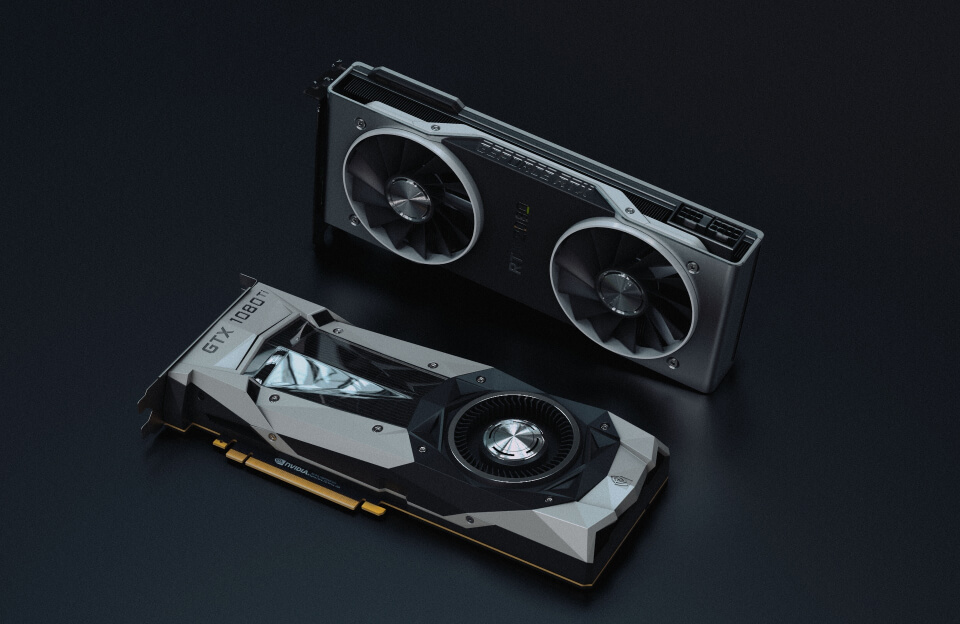
The graphics card is the heart of any gaming machine. Even a modest upgrade can lift frame rates, improve visual fidelity, and extend the lifespan of your PC. Start by identifying the GPU that best balances performance and price. Look for cards that offer a 30–50% performance boost over your current model while staying within your budget. For example, a recent generation mid‑range GPU often delivers the same performance as a high‑end card from the previous year, but at a fraction of the cost.
Gaming PC Upgrade Tips: Upgrade the CPU Wisely
While the GPU often steals the spotlight, the CPU can be a hidden bottleneck, especially in CPU‑intensive titles or when streaming. When upgrading, choose a processor that matches your motherboard’s socket and chipset. If you’re on a budget, consider a newer generation CPU that offers higher core counts and better IPC (instructions per cycle) than your current chip. Pairing a solid CPU with a capable GPU ensures balanced performance and prevents one component from limiting the other.
Gaming PC Upgrade Tips: Expand RAM for Smooth Gameplay
Modern games routinely require 16 GB of RAM for optimal performance. If your system runs out of memory, you’ll experience stutters and longer load times. Adding or upgrading to 16 GB (or 32 GB for future‑proofing) is a low‑cost, high‑impact upgrade. Make sure to match the speed and latency of your existing sticks or buy a matched kit to avoid compatibility issues.
Gaming PC Upgrade Tips: Switch to an SSD for Lightning‑Fast Load Times
Storage speed dramatically affects game launch times, texture streaming, and overall system responsiveness. Replacing a mechanical hard drive with a SATA or NVMe SSD can reduce load times by up to 90%. Even a budget SATA SSD offers a noticeable improvement over a spinning disk, and many retailers offer discounts on SSD bundles that include a small capacity drive for your OS and a larger one for games.
Gaming PC Upgrade Tips: Optimize Power Supply and Cooling
A reliable power supply unit (PSU) and adequate cooling are essential for stability and longevity. Choose a PSU with at least 80 Plus Bronze certification to ensure efficient power delivery. For cooling, consider aftermarket air coolers or a budget liquid cooling loop if you’re overclocking. Proper airflow prevents thermal throttling, which can otherwise negate the benefits of your upgraded components.
Gaming PC Upgrade Tips: Make Smart Purchasing Decisions
Timing and research are key to getting the best deals. Keep an eye on seasonal sales, manufacturer rebates, and refurbished units from reputable sellers. Use price‑tracking tools to monitor fluctuations and set alerts for your target components. Additionally, consider buying used parts from trusted marketplaces; many gamers sell their GPUs and CPUs in excellent condition for a fraction of the new price.
Gaming PC Upgrade Tips: Build a Balanced System
Upgrading one component without considering the rest can lead to suboptimal performance. Use the following checklist to ensure a harmonious upgrade path:
- GPU: Highest performance per dollar within your budget.
- CPU: Matches GPU to avoid bottlenecks.
- RAM: 16 GB minimum, 32 GB for future‑proofing.
- Storage: SSD for OS and key titles, HDD for bulk storage.
- PSU: 80 Plus Bronze or better, with enough wattage for upgrades.
- Cooling: Adequate airflow, consider aftermarket coolers.
Gaming PC Upgrade Tips: Leverage Community Knowledge
Online forums, subreddits, and YouTube channels are treasure troves of budget upgrade advice. Communities like r/buildapc and r/pcmasterrace often share real‑world benchmarks and cost‑effective builds. Watching tutorial videos can also help you avoid common pitfalls, such as incorrect cable routing or improper thermal paste application.
Gaming PC Upgrade Tips: Final Thoughts and Call to Action
By focusing on the GPU, CPU, RAM, and storage, and by ensuring your power supply and cooling are up to par, you can transform a dated gaming PC into a modern, high‑performance machine—all while staying within a limited budget. Remember to research, shop smart, and build a balanced system that maximizes every dollar spent.
Ready to apply these Gaming PC Upgrade Tips? Start upgrading today and experience the thrill of a faster, smoother gaming experience without overspending!
For more detailed information on each component, check out these authoritative resources:
- Graphics Processing Unit (GPU)
- Central Processing Unit (CPU)
- Random‑Access Memory (RAM)
- Solid State Drive (SSD)
- Energy Storage and Power Supply Efficiency
Frequently Asked Questions
Q1. What is the most cost-effective component to upgrade first for gaming performance?
The GPU typically offers the biggest performance jump for the price. Look for a mid‑range card that delivers 30–50% more FPS than your current model while staying within your budget. Pairing it with a compatible CPU prevents bottlenecks.
Q2. How much RAM do I need for modern games?
Most current titles run smoothly with 16 GB of RAM. If you plan to stream or use memory‑heavy applications, 32 GB is a good future‑proofing choice. Ensure the new sticks match speed and latency to avoid compatibility issues.
Q3. Is an SSD worth the upgrade if I already have an HDD?
Yes – an SSD dramatically reduces load times, texture streaming delays, and overall system responsiveness. A SATA SSD can cut launch times by up to 90%, and NVMe offers even faster performance for a modest price increase.
Q4. How can I keep my power supply and cooling within budget?
Choose an 80 Plus Bronze or better PSU for efficiency and reliability. For cooling, aftermarket air coolers are inexpensive and effective; budget liquid loops are an option if you plan to overclock.
Q5. Where can I find the best deals on gaming components?
Track seasonal sales, manufacturer rebates, and price‑tracking tools. Refurbished or used parts from reputable sellers can save money, but always verify seller ratings and return policies.