In the world of high‑end gaming, the term Performance-Per-Watt has become a rallying cry for enthusiasts who demand more power without the corresponding spike in energy consumption. This metric—essentially the ratio of frames per second (FPS) or computational throughput to the wattage drawn—has reshaped how builders, manufacturers, and gamers think about performance, heat, and sustainability. As the industry pushes toward greener solutions, understanding the rise of Performance-Per-Watt gaming PCs is essential for anyone looking to stay ahead of the curve.
Performance-Per-Watt: The Core Metric Driving Modern Builds
Traditionally, gamers focused on raw horsepower: the highest clock speeds, the most CUDA cores, or the largest memory bandwidth. While those factors still matter, the new benchmark places equal weight on how efficiently that power is used. A GPU that delivers 200 FPS at 650 W is less attractive than one that achieves 180 FPS at 350 W, because the latter offers a better performance‑per‑watt ratio. This shift is driven by several forces: rising electricity costs, stricter environmental regulations, and the growing popularity of streaming and e‑sports, where consistent performance over long sessions is critical.
Energy Efficiency: From Power Supply to Cooling Solutions
Achieving high performance‑per‑watt starts with the power supply unit (PSU). Modern 80 PLUS Platinum and Titanium PSUs convert incoming AC to DC with over 90 % efficiency, reducing wasted heat and power. Coupled with modular cabling, they also minimize cable clutter, improving airflow. Cooling is another pivotal factor. Liquid‑cooling loops, especially those using low‑viscosity, high‑thermal‑conductivity coolants, can keep temperatures down while consuming less power than traditional air coolers. Additionally, fans that support dynamic speed control—adjusting RPM based on temperature—contribute to a more efficient thermal design.
- High‑Efficiency PSUs: 80 PLUS Platinum/Titanium
- Advanced Cooling: AIO liquid coolers, low‑viscosity coolants
- Dynamic Fan Control: PWM, temperature‑based RPM adjustment
- Component Selection: Low‑TDP CPUs, GPUs with power‑saving modes
- Case Design: Optimized airflow, dust filters
Hardware Optimization: GPUs and CPUs That Deliver More with Less
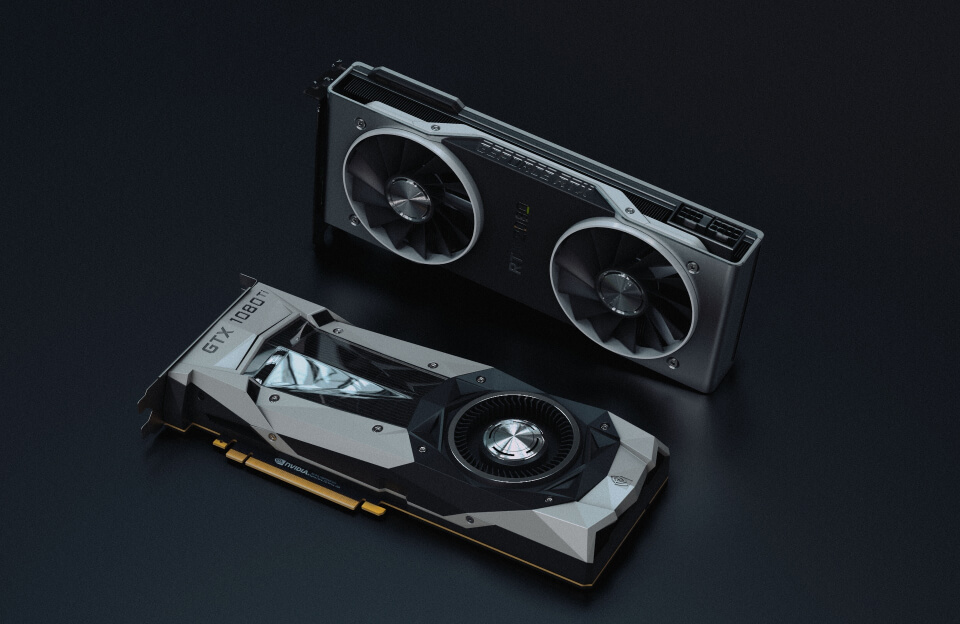
Manufacturers are now designing chips with power efficiency in mind. NVIDIA’s RTX 30 Series, for example, introduced the RTX 30 Series with a new architecture that delivers up to 30 % more performance per watt compared to its predecessors. AMD’s RDNA 2 GPUs also emphasize efficiency, offering comparable gaming performance while consuming less power. On the CPU side, Intel’s 12th‑generation Alder Lake and AMD’s Ryzen 7000 series feature hybrid architectures that combine high‑performance cores with power‑efficient cores, allowing the system to scale power usage based on workload.
Beyond raw hardware, software plays a crucial role. Driver optimizations, firmware updates, and power‑management settings can unlock significant gains. For instance, enabling “Game Mode” in Windows 10/11 prioritizes CPU resources for the active game, reducing background overhead. Similarly, GPU drivers often include “Power Saving” profiles that lower clock speeds during idle periods without sacrificing frame rates during gameplay.
Thermal Design and Sustainability: The Bigger Picture
Performance‑per‑watt is not just about individual components; it’s a holistic approach that considers the entire system’s thermal envelope. Efficient heat dissipation means less reliance on high‑speed fans, which in turn reduces power draw. Moreover, a cooler system is less likely to throttle performance due to overheating, ensuring consistent FPS and a smoother gaming experience.
From a sustainability standpoint, the benefits are clear. Lower power consumption translates to reduced carbon footprints, especially when paired with renewable energy sources. According to the U.S. Department of Energy, energy‑efficient computing can cut data center power usage by up to 30 %. While gaming PCs are smaller in scale, the same principles apply: every watt saved is a step toward greener technology.
Future Trends: AI, Ray Tracing, and Beyond
Artificial intelligence (AI) is already influencing performance‑per‑watt calculations. AI‑driven upscaling techniques, such as NVIDIA’s DLSS and AMD’s FSR, allow games to run at lower native resolutions while maintaining visual fidelity, effectively reducing GPU load. Ray tracing, once a power‑hungry feature, is becoming more efficient thanks to dedicated RT cores and improved software pipelines.
Looking ahead, we can expect further innovations:
- Chiplet Architectures: Modular designs that allow manufacturers to mix and match high‑performance and low‑power components.
- Advanced Materials: Heat‑spreaders made from graphene or other high‑thermal‑conductivity composites.
- Smart Power Management: AI‑based predictive algorithms that adjust power delivery in real time.
- Eco‑Friendly Manufacturing: Reduced use of hazardous materials and increased recycling of electronic waste.
Conclusion: Embrace the Performance-Per-Watt Revolution
As the gaming landscape evolves, the Performance‑Per‑Watt metric will continue to shape how we build, upgrade, and evaluate PCs. By focusing on energy efficiency, thermal design, and hardware optimization, gamers can achieve high frame rates, lower temperatures, and a smaller environmental impact—all while staying within budget. Whether you’re a competitive esports player, a streaming content creator, or a casual gamer, prioritizing performance‑per‑watt will give you a competitive edge and a cleaner conscience.
Ready to upgrade? Embrace Performance‑Per‑Watt gaming PCs today and power your play with precision, efficiency, and sustainability. Explore the latest GPUs and learn how to build a greener rig now!
Frequently Asked Questions
Q1. What is Performance-Per-Watt in gaming PCs?
Performance-Per-Watt measures how many frames per second or computational tasks a system performs for each watt of power consumed. It balances raw performance with energy efficiency, helping gamers choose rigs that run cooler and cost less to operate. This metric has become a key benchmark as electricity costs rise and sustainability becomes a priority.
Q2. How does a higher performance-per-watt benefit gamers?
A higher ratio means you can achieve smoother gameplay while using less power, which translates to lower electricity bills and reduced heat output. It also allows for quieter operation because cooling fans can run at lower speeds. For streamers and esports players, consistent performance over long sessions is critical, and a better performance-per-watt design helps maintain that consistency.
Q3. Which components most impact performance-per-watt?
The power supply unit, GPU, CPU, and cooling system are the primary drivers. High‑efficiency PSUs (80 PLUS Platinum/Titanium) reduce wasted energy, while GPUs with power‑saving modes and CPUs with hybrid cores lower TDP. Advanced cooling—such as AIO liquid loops and dynamic fan control—keeps temperatures down without extra power draw.
Q4. Can I improve my existing rig’s performance-per-watt?
Yes, by upgrading to a more efficient PSU, adding a better cooler, or enabling power‑saving profiles in drivers and BIOS. Software tweaks like Windows Game Mode or GPU power‑saving settings can also reduce idle consumption. Replacing older components with newer, more efficient models often yields the biggest gains.
Q5. Are there any trade-offs when prioritizing performance-per-watt?
Sometimes the most efficient components may have slightly lower peak performance compared to their high‑power counterparts. However, for most gamers the difference is marginal, and the benefits in cost savings, heat, and noise usually outweigh the small drop in raw speed. Balancing performance and efficiency is key to a well‑rounded build.