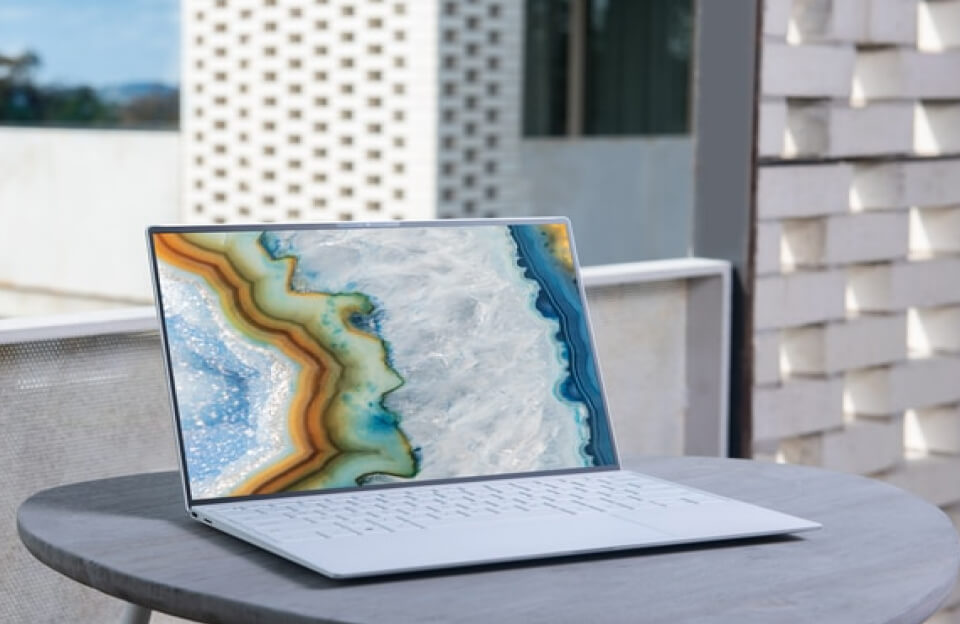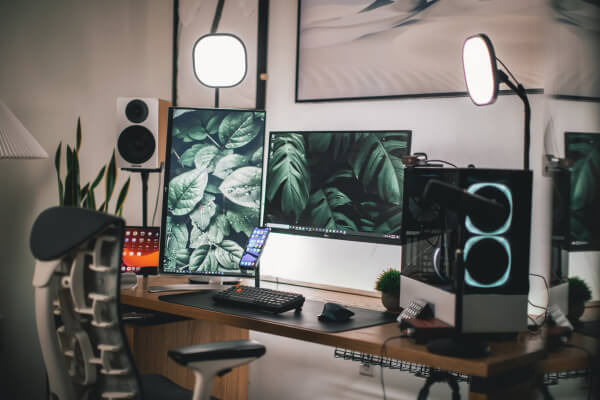
The shift toward minimalist gaming PC designs marks a pivotal evolution in how enthusiasts approach performance and aesthetics. Rather than the bulky, wire‑laden rigs of the past, today’s gamers favor sleek, compact systems that blend power with refined form. This trend is driven by a desire for cleaner spaces, quieter operation, and easier portability, making the gaming experience feel less like a showpiece and more like a polished tool.
Why Minimalism Matters in Gaming Hardware
Minimalist gaming PC designs reduce the number of unnecessary components, cutting out large heatsinks, excessive fans, and bulk storage bays that can clutter a setup. Minimalism in hardware focuses on essential functionality, ensuring that every inch of space serves a concrete purpose. For many gamers, this translates to easier cable management, lower power consumption, and a system that’s less prone to overheating.
Compact Cases and Space‑Saving Architectures
Modern cases now accommodate high‑end GPUs and CPUs while remaining physically small. Manufacturers offer “mini‑ITX” and “micro‑ATX” chassis that fit inside a laptop bag without compromising performance. Moreover, new designs incorporate side‑panel ventilation and strategically positioned intake vents to keep airflow efficient, even in tighter spaces.
NVMe SSDs: The Cornerstone of Speed
NVMe drives have become a hallmark of minimalist builds because they offer high speeds while occupying little room. A typical 1TB NVMe module fits comfortably behind the motherboard, eliminating the need for bulky SATA bays. The result is faster boot times, reduced load times, and a cleaner look inside the case.NVMe SSD
Thermal Management Without Extra Fans
Thermal engineering has evolved so that the most efficient CPU and GPU cooler designs provide sufficient heat dissipation with fewer fans. By using materials like copper and graphite composites, manufacturers can channel heat away through the chassis, meaning fewer moving parts and a quieter operation. NASA’s thermal guidelines illustrate how passive cooling can be maximized when fan count is limited.
Power Supply Efficiency and Power‑Mod Options
High‑efficiency power supplies, rated at 80 Plus Bronze or better, consume less energy and produce less heat, which aligns with the minimalist ethos. Many current models adopt a modular or semi‑modular design, permitting users to attach only the cables they need, thereby reducing clutter. The result is a cleaner, safer power section that requires fewer cables that run across the interior.
RGB and Lighting Subtly Integrated
Instead of large, flashy RGB gear, minimalist systems now incorporate subtle ambient lighting directly onto the motherboard or within the chassis. This approach reduces the number of lighting strips and controllers, limiting both the cable count and the power draw. At the same time, gamers can still enjoy a personalized glow without the visual noise associated with traditional RGB setups.
Cable Management: Less Is More
One of the most visible benefits of minimalist designs is the emphasis on cable organization. Manufacturers now employ built‑in management loops, clips, and grommets that guide all cables along a predetermined path. In practice, this not only looks sharp but also improves airflow, as there are fewer obstructions blocking vent coverage.
Using Cable Velcro and Ties for Neatness
Velcro straps and cable ties are standard in minimalist builds, allowing cables to be tightly bundled against the chassis. By compressing cable bulk, users create a wider internal pathway for cool air to circulate. The result is lower temperatures and quieter fan operation.
Tools and Techniques for DIY Enthusiasts
Several online forums, such as r/pcmasterrace, provide step‑by‑step guides on cable routing, ensuring that even first‑time builders can achieve a tidy interior. Visual aids—including diagrams and video tutorials—offer practical insights into proper cable tension and placement.
Market Drivers Behind the Minimalist Trend
Three key drivers push the focus toward minimalist gaming PC designs: changing consumer preferences, economic constraints, and environmental considerations. Gamers now look for systems that integrate into small living spaces, such as apartments or dorm rooms, where floor area is at a premium. Additionally, the rising cost of components forces users to adopt efficient builds that deliver more performance per dollar.
Environmental Impact and Sustainable Gaming
Less power consumption translates directly into reduced carbon footprints. Manufacturers promote the idea of “green gaming” by offering Energy Star‑qualified cases and power supplies. Reports from the Energy Star program indicate that efficient components can lower household energy use by up to 10%.
Future Outlook: Where Minimalist Builds Are Heading Next
The next wave of minimalist gaming PCs will likely incorporate modular cooling systems that adapt to power usage automatically. AI‑driven fan control will optimize airflow in real time, responding to temperature changes without human intervention. Furthermore, the emergence of chassis that support liquid‑cooling with integrated reservoirs demonstrates the fusion of minimalist aesthetics with advanced thermal technology.
Hybrid Storage Solutions
Hybrid drives that blend SSD speed with HDD capacity will maintain performance while staying space‑efficient. The combination of PCIe NVMe and SATA SSDs offers a sweet spot for gamers who require instant access to a library and large storage for media.
Conclusion: Embrace the Simpler, Smarter Gaming Experience
If you’re building or upgrading a system, consider moving toward a minimalist gaming PC design. By focusing on core components, efficient cooling, and sleek cable management, you’ll enjoy a quieter, cleaner setup that still delivers top‑tier performance. Check out the latest chassis reviews, NVMe benchmarks, and power supply efficiencies to make the best choice for your next build. Start your minimalist journey today and transform your gaming space into a streamlined powerhouse.