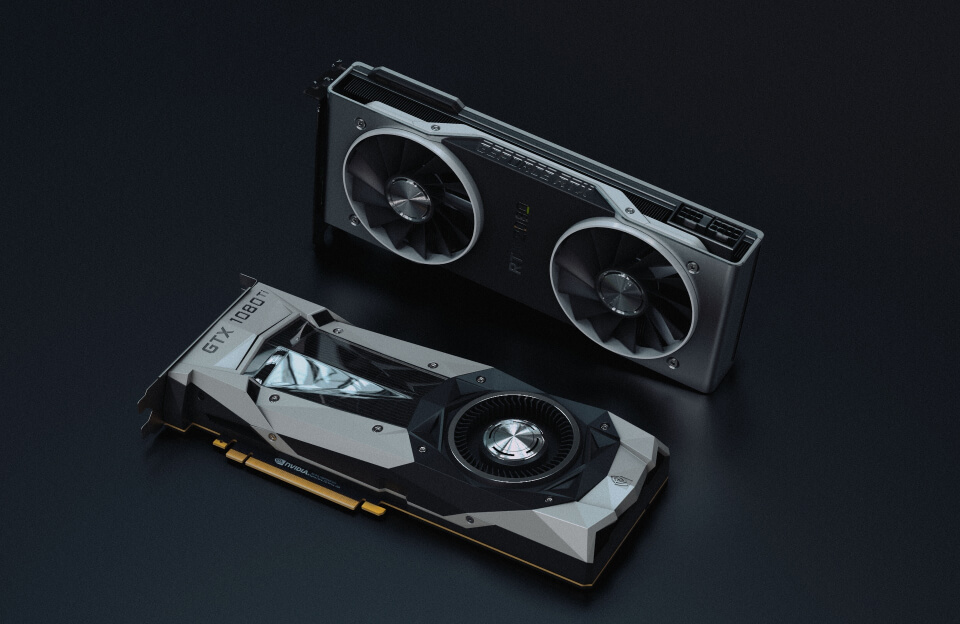
The quest for the ultimate gaming experience has led PC builders to place thermal performance at the forefront of design. Gaming PC trends focused on thermal performance are no longer marginal; they dictate component selection, case layout, and even aesthetic choices for the modern enthusiast. By managing heat effectively, users can push higher clock speeds, longer benchmark runs, and smoother gameplay without compromising stability. In this article, we dissect the current innovations that are redefining how gamers keep their rigs cool.
Why Thermal Management Matters for Gaming PCs
As processors and GPUs evolve, they generate more power and, consequently, more heat. Excessive heat can throttle performance and shorten component life. The thermal limits of silicon dictate how long a system can sustain peak loads without shutting down. Designers now tackle heat through a holistic approach: better component selection, improved airflow paths, and refined cooling technologies. Understanding these elements helps gamers make informed decisions that align with their performance goals.
Fan‑Less Designs: The Rise of Silent Builds
Many gamers are drawn to fan‑less or low‑noise builds. These rigs rely on passive heat sinks, heat pipes, and architectural design to disperse heat without mechanical fans. While a fanless GPU is rare, CPUs and power delivery modules can adopt passive solutions for reduced noise. The trade‑off is often higher temperatures during sustained high loads, but strategic placement of heat spreaders can mitigate this. Ultimately, silent gamers need a case that complements passive cooling, providing adequate thermal conductivity across chassis materials.
Liquid Cooling Gets a Makeover
Liquid cooling remains a favorite among overclockers, but recent trends aim to make the systems more reliable, stylish, and easier to install. Dedicated liquid cooling solutions now come with modular radiators, integrated cleaning kits, and color‑matched fittings that enhance the visual appeal. New pump‑and‑block combos minimize vibration while maintaining high coolant flow rates. Manufacturers are also experimenting with eco‑friendly coolants, reducing the environmental footprint of gaming PCs.
Key Benefits of Modern Liquid Cooling
1. Superior heat extraction: Radiators with large surface areas dissipate heat more efficiently than air alone. 2. Flexibility: Modular kits allow users to tailor the system to specific case dimensions. 3. Aesthetics: RGB lighting and transparent tubing create a photorealistic experience. 4. Durability: Closed‑loop systems eliminate the need for manual coolant refills, lowering maintenance. 5. Noise reduction: Even at high fan speeds, liquid cooling systems often produce quieter noise than high‑RPM air coolers.
Heat Spreaders and Thermal Interface Materials (TIMs)
Modern CPUs and GPUs feature multi‑layer thermal spreaders that flatten heat distribution across the die. Combined with high‑quality thermal paste, these spreaders help the heat sink maintain firm contact and efficient conduction. Engineers now produce TIMs with phase‑change polymers that absorb and release heat more evenly, resulting in lower temperature spikes. The synergy between advanced spreaders and precision‑applied TIMs is what lets gamers overclock with confidence.
Choosing the Right Thermal Paste
1. Conductivity rating: Select a paste with a thermal resistance of 0.2 W/m²K or lower. 2. Application consistency: Look for tool‑less spreads that minimize air bubble formation. 3. Longevity: High‑end pastes retain performance for 3–5 years, reducing the need for re‑application. 4. Compatibility: Verify that the paste does not corrode or dry out the contact surfaces. 5. Environmental safety: Some manufacturers offer lead‑free, non‑toxic variants suitable for long‑term use.
Airflow‑Optimized Chassis: The 3‑Zone Approach
Most high‑end gaming cases now adopt a 3‑zone airflow architecture: an intake zone, an exhaust zone, and a middle zone that handles heat recirculation. By separating the airflow paths, designers can direct cool air straight across the GPU and CPU slots while pushing hot air out efficiently. Manufacturers typically place high‑speed intake fans on the front or bottom and large, high‑static‑pressure exhaust fans on the rear or top. Users should avoid blocking airflow with cables or RGB strips, which can choke the ventilation system.
Case Fan Placement Tips
• Keep the intake fans clean and dust‑free: a clogged filter can raise internal temperatures by 10 °C. • Balance fan speeds: maintain a slight negative pressure (in‑flow > out‑flow) to keep dust out while allowing airflow. • Use dual‑stage fans that can switch between quiet operation and high speed during gaming bursts. • Install a dedicated dust filter on every air intake point to reduce maintenance. • Opt for low‑profile fans on vertical radiators to match the case’s aesthetic while maintaining performance.
Software‑Enabled Thermal Awareness
Beyond hardware, software tools have become essential for monitoring and managing temperatures. Integrated utilities from chipset and GPU manufacturers allow users to set custom fan curves, receive alerts when temperatures exceed thresholds, and map thermal performance against load. Advanced options like GPU Boost or CPU Turbo include adaptive throttling that ensures temperatures stay within safe ranges. Users can also employ third‑party monitoring suites like HWMonitor or Ryzen Master for deeper diagnostics. Keeping software up‑to‑date guarantees the latest thermal control algorithms are in play.
Emerging Cooling Technologies and the Future Outlook
While air and liquid coolers dominate today, research into next‑generation cooling is propelling new possibilities. Graphene‑augmented thermal pads can conduct heat several times faster than conventional materials. Phase‑change cooling systems that use cryogenic liquids promise sub‑ambient temperatures for extreme overclockers. Additionally, advances in micro‑channel heat pipe design enable more compact radiators with higher heat‑to‑volume ratios. These technologies, once costly, are approaching commercial viability, hinting at a future where gamers can unlock record speeds without compromising temperature.
Case Study: Graphene‑Enhanced Thermal Pads
Graphene, a one‑atom‑thick sheet of carbon, demonstrates extraordinary thermal conductivity. Recent prototypes integrate graphene layers into adhesive pads that sit between CPUs and heatsinks. This configuration reduces thermal resistance by as much as 50%, resulting in lower component temperatures during peak load. While commercial availability is limited, some high‑end motherboard and CPU manufacturers are experimenting with the technology during beta testing phases.
Case Study: Active Liquid Cooling Systems
Active cooling rigs incorporate a secondary stage that actively removes heat from the fan‑less core. These systems use miniature pumps that circulate coolant through multiple heat exchangers, mimicking a large radiator in a small footprint. Initial trials demonstrate up to 30% reduction in GPU temperatures under sustained 4 K‑rendering workloads. As prototypes evolve, the technology is expected to become mainstream within the next two years.
Building a Thermally Optimized Gaming PC: Checklist
The following checklist distills the most important aspects for a thermally ready rig:
- Choose a CPU and GPU that support the latest thermal solutions.
- Opt for a case with dedicated airflow zones and high‑quality filters.
- Select a reputable liquid cooling kit with modular radiators.
- Apply high‑conductivity thermal paste with a precision spreader.
- Configure fan curves and maintain balanced pressure.
- Regularly clean dust filters and verify fan operation.
- Use monitoring software to track temperature trends.
- Consider future upgrades: heat pipes, graphene pads, or active liquid cooling.
Conclusion: Mastering Thermal Performance for Peak Gaming
Gaming PC trends focused on thermal performance are no longer optional upgrades—they form the backbone of reliable, high‑performance gaming rigs. By investing in modern cooling solutions, mastering airflow architecture, and staying ahead with emerging technologies, gamers can enjoy quieter systems, higher overclock potential, and longer component life. As the industry pushes the boundaries of heat management, the next generation of thermal solutions will bring unprecedented temperatures control and performance peaks.
Take the first step toward a cooler, faster gaming experience today. Browse our curated selection of premium coolers, monitor your system’s temperature with our recommended tools, and join the community of gamers who run the hottest rigs with the smoothest performance. Start your thermally optimized build now and push your gaming to the next level!