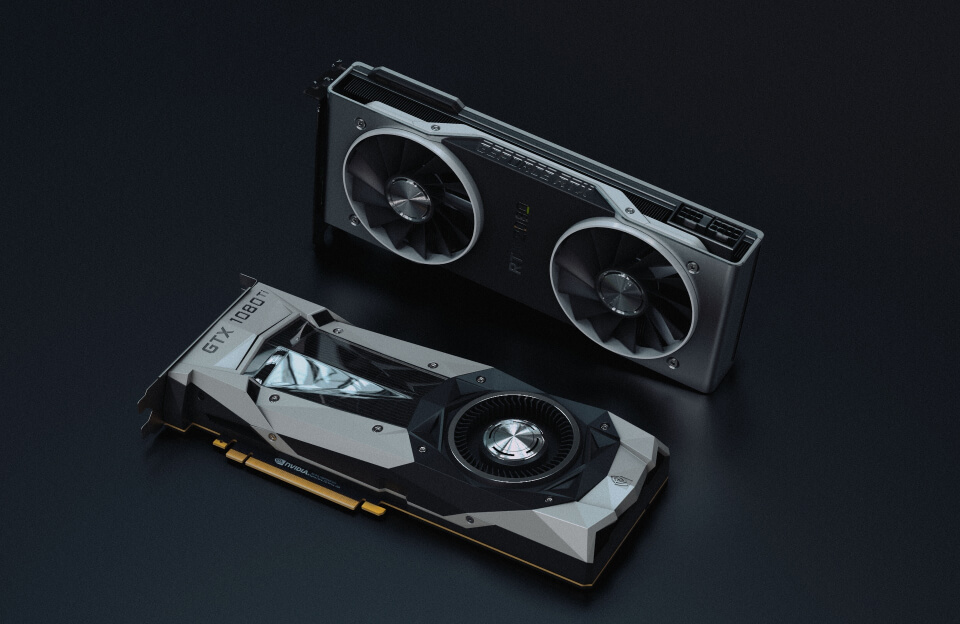
Optimizing your hardware is essential for the best gaming experience, especially when you’re chasing high frame rates and blistering load speeds. A focused gaming PC upgrade can transform the way your games start, reducing wait times from seconds to mere milliseconds. By replacing older drives with modern SSDs, expanding system memory, and ensuring your processor and GPU are properly paired, you’ll notice a tangible difference in how quickly your virtual worlds load. Even seasoned players will find the instant gratification of a quick boot invaluable.
Traditional spinning hard drives are still common in many build budgets, but they lag behind solid‑state storage in every measurable metric. A hard‑disk drive’s mechanical nature creates latency that translates to visible pauses when launching a title or loading a new level. Replacing an HDD with an SSD—whether SATA or NVMe—can reduce read times from several seconds to under a hundred milliseconds, dramatically improving overall system responsiveness.
Choosing the right SSD depends largely on the interface. SATA SSDs, which connect via the legacy 2.5‑inch interface, offer up to 550 MB/s of sequential write speed, a substantial improvement over HDDs but still shy of the capabilities that PCIe‑based drives afford. NVMe SSDs sit directly on the PCIe lane, delivering read speeds that can exceed 3,500 MB/s and write speeds around 2,800 MB/s, a factor of five to even seven times faster than SATA equivalents. SSD benchmarks from reputable tech sites confirm the decisive advantage for time‑sensitive gaming workflows.
Upgrades are typically straightforward. The SATA SSD requires a 2.5‑inch mounting bay and a SATA cable, whereas an M.2 NVMe drive plugs directly into the motherboard’s M.2 slot, freeing up a SATA port for secondary storage or peripherals. When installing a brand‑new SSD, use a disk cloning utility to migrate your operating system and game libraries, ensuring minimal disruption to your existing workflow.
While the price per gigabyte for NVMe SSDs has fallen dramatically—currently around $0.30 per 1 TB—the initial cost still exceeds that of SATA drives. However, the time saved on load times and system latency compensates for the added expense, especially for users who run large open‑world titles or who frequently switch between multiple games.
Gaming PC Upgrade: Choosing the Right SSD
Memory bandwidth and capacity play a pivotal role in delivering seamless gameplay, especially on titles that decompress large assets during level changes. Modern processors pair best with DDR4 or the newer DDR5 modules; DDR5 offers higher native bandwidth and lower latency, a boon for fast, data‑intensive game engines. Upgrading from a single 8 GB kit to a matched 16 GB dual‑channel duo can yield noticeable improvements in both load times and overall frame consistency. DDR5 modules also feature power delivery efficiencies that reduce internal heat, allowing higher clock speeds without thermal throttling.
- Increased total available memory, preventing swap use.
- Double‑channel architecture, boosting bandwidth.
- Improved cache coherency for multi‑threaded engines.
- Lower latency in memory controller paths.
RAM upgrades are a relatively inexpensive avenue for performance gains. Verify your motherboard’s firmware supports your desired speed and capacity, then consult the manufacturer’s QVL (Qualified Vendor List) for proven modules. Remember that mismatched sticks can lead to suboptimal performance or stability issues.
Gaming PC Upgrade: Leveraging PCIe 4.0 for Speed
PCIe 4.0, supported by newer CPUs and motherboards, doubles the data bandwidth of its predecessor, allowing GPUs, NVMe drives, and high‑speed networking cards to operate at their peak throughput without contention. When paired with a high‑end GPU like the GeForce RTX 3080, the PCIe 4.0 lane count ensures that frame buffers can be pushed to memory at a faster rate, shaving precious milliseconds off each load.
If your system already runs on PCIe 3.0, consider a motherboard that supports a dual‑socket or an active PCIe 4.0 riser. While this may require a full rebuild, the gains are most noticeable on games that allocate large textures and shader packs during the loading phase.
Gaming PC Upgrade: Cooling and Power Considerations
A new SSD or GPU can generate additional heat, so it’s wise to evaluate your cooling solution early. A well‑ventilated case with at least three intake fans and dual exhaust paths maintains an internal temperature below 35 °C, which is optimal for both storage longevity and CPU/GPU thermal headroom.
Power supplies (PSUs) rated 650 W or higher provide a safe buffer for future upgrades. Check the efficiency rating—80+ Gold or Platinum ensures less voltage ripple, translating to steadier operations and reduced load‑time artifacts caused by power spikes.
Putting it all together, the upgrade process typically follows these steps:
- Back up critical data and create recovery media.
- Physically install the new SSD, ensuring correct orientation of the M.2 key.
- Add RAM sticks in the correct slots, respecting dual‑channel pairs.
- Install the PSU and route cables for optimal airflow.
- Update BIOS to the latest firmware and verify all components are recognised.
During the BIOS update, enable XMP (or DOCP for AMD) profiles to lock RAM into its advertised speed. Some motherboards also allow adjusting NVMe power target states to reduce throttling during heavy write workloads.
After the hardware changes, use benchmarking suites like 3DMark or CrystalDiskMark to quantify the improvement. Compare the sequential read/write speeds against previous benchmarks to confirm the upgrade performed as expected.
Common pitfalls include installing mismatched memory modules, not fully seating M.2 connectors, or overlooking the need to set the SATA operation mode to AHCI. Each oversight can negate the benefits you’ve invested in.
Beyond hardware changes, optimizing your operating system can further reduce load times. Enabling Windows Fast Startup, disabling unnecessary startup programs via Task Manager, and ensuring the SSD is set to use the proper power policy (AHCI, PCIe, NVMe) keep the drive from being throttled during idle periods. Regular firmware updates for the SSD itself can also unlock hidden performance gains.
Finally, keep eye on the emerging UFS 3.1 technology that is already present in many high‑end laptops and may become mainstream in the coming years. While not yet common on desktop platforms, familiarity with this storage standard can inform future upgrade decisions as the gaming ecosystem evolves.
Upgrading a gaming PC for faster load times is a multifaceted endeavor that balances storage speed, memory bandwidth, interface bandwidth, and cooling efficiency. By swapping an old HDD for a SATA or NVMe SSD, expanding your RAM to a dual‑channel DDR5 kit, upgrading to a PCIe 4.0 platform, and ensuring your case fans and PSU can support the new workload, you’ll experience shorter load times, smoother gameplay, and a more responsive system overall. Ready to put the clock to work? Download our free build checklist, upgrade your system, and dominate the next gaming session.