Competitive gamers know that every millisecond counts, and a well‑upgraded machine can be the difference between victory and defeat. Upgrading a gaming PC isn’t just about slapping the newest hardware together; it’s about thoughtful component choices, thermal balance, and future‑proofing to keep pace with evolving titles. In this guide we’ll walk you through the key steps to Upgrade a gaming PC for competitive play, from assessing your current build to selecting the perfect GPU, CPU, RAM, and supporting hardware.
Know Your Current System
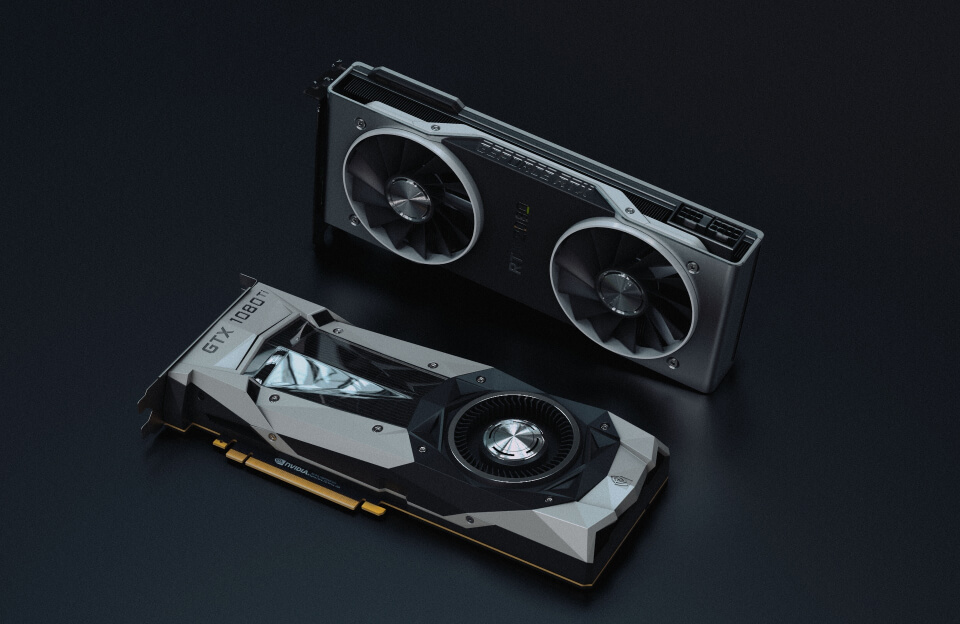
Before you add new gear, audit your existing setup. Create a hardware inventory: CPU model, motherboard socket, GPU memory size, RAM speed, storage type, and PSU wattage. Compare each component against the minimum and recommended specs found in NVIDIA’s flagship cards and recent esports titles. Identifying bottlenecks—whether the CPU struggles under complex physics or the PSU lacks headroom—helps prioritize upgrades that truly impact frame rates and latency.
Choosing the Right GPU
The GPU is the heart of any competitive gaming rig. Look for models offering high core counts, fast memory, and low power consumption. A common choice is the NVIDIA RTX 3080, which delivers 8700 fps in many 1080p titles while keeping power usage below 320 W. If your budget favors efficiency, the AMD Radeon RX 6700 XT provides similar performance with a lower TDP of 230 W.
When selecting a GPU, also consider driver support and the game’s optimization strategy. Frequent driver updates from NVIDIA and AMD offer performance gains and bug fixes that can improve competitive rankings without hardware changes.
CPU and Cooling for Competitive Lags
A solid‑state CPU ensures quick menu load times and consistent frame pacing. Opt for at least a quad‑core processor with a 3.5 GHz base clock: Intel Core i5‑13600K or AMD Ryzen 5 7600X are popular choices. Upgrade to a higher tier—such as Intel Core i7‑13700K—if budget allows and if you plan to multitask while streaming.
Cooling is paramount. Thermal paste application, radiator size, and fan placement directly affect temperature stability. A 360‑mm AIO cooler from manufacturers like Corsair or NZXT keeps CPU temperatures below 80 °C under load, preventing voltage throttling that could erase a competitive edge.
RAM, Storage, and Motherboard Considerations
Fast, high‑capacity memory reduces latency spikes. Aim for 16 GB of DDR5-6000 or DDR4-3600, ensuring the motherboard supports the chosen speed. Dual‑channel sticks offer better bandwidth than a single 16‑GB module, especially in memory‑intensive games.
SSD storage is non‑negotiable for competitive play. NVMe M.2 drives with read/write speeds over 3500 MB/s, such as the Samsung 980 PRO, load textures and shaders in seconds, eliminating in‑game waiting times. A secondary SATA SSD can house your operating system and drivers for isolation from the primary NVMe.
The motherboard must not become a bottleneck. Look for chipsets that support PCI Express 4.0/5.0 depending on your GPU’s needs, and verify that the BIOS firmware is up‑to‑date for optimal compatibility. Motherboard reviews often highlight long‑term stability for esports rigs.
Power Supply, Case, and Future-Proofing
A reliable PSU is the backbone of a stable competitive machine. The American National Standards Institute (ANSI) and UL certifications ensure quality. For modern GPUs, a 650‑Watt 80 + Gold certified unit is a safe minimum, and a 750‑Watt unit is recommended if planning future upgrades.
Efficient cable management reduces airflow obstruction. Select a case with ample 120‑mm fan support and good ventilation, such as the Fractal Design Meshify C. The case should accommodate a 360‑mm radiator and offer at least 3 front intake fans for balanced flow.
Future‑proofing involves choosing components that exceed current game requirements. This strategy protects against rapid tech cycles and keeps your rig competitive for at least 18–24 months without another overhaul.
Suggested PSU Table
| GPU | Recommended PSU Wattage |
|---|---|
| NVIDIA RTX 3080 | 750 W (80 + Gold) |
| AMD Radeon RX 6700 XT | 650 W (80 + Gold) |
| Intel Core i7‑13700K | 650 W (80 + Gold), with overclocking headroom |
Software Tweaks for Optimal Performance
Once your hardware is assembled, configure your operating system for low latency. Disable unnecessary startup programs, and enable Game Mode in Windows 10/11 to prioritize game processes. Install the latest GPU drivers and set the “High‑Performance” power plan to avoid CPU throttling.
In the game itself, lower graphical settings that do not affect combat visibility—like anti‑aliasing or ambient occlusion—can improve frame consistency. Adjust the in‑game refresh rate to match your monitor’s capability, ensuring you use G-Sync or FreeSync to eliminate tearing.
After each upgrade, run benchmarking software such as 3DMark Time Spy or FRAPS to measure performance gains. Tracking frame rates, input lag, and temperatures provides data that informs potential next upgrades and fine‑tuning of settings.
Conclusion: Take the Step to Competitive Mastery
Upgrading a gaming PC for competitive play is a disciplined process that balances immediate performance with long‑term upgrades. By carefully selecting a powerful GPU, efficient CPU, fast memory, and a reliable PSU, and by tuning both hardware and software, you set the stage for consistency under pressure.
Implement these steps and you’ll find yourself running titles at higher frame rates with lower latency—a core advantage in esports competitions. Don’t wait—evaluate your current build, plan your component list, and start assembling the next level of your competitive rig today.
Ready to upgrade? Gather the parts, follow the guide, and reclaim your spot at the top of the leaderboard. Happy gaming!