When you first buy a gaming PC, the thrill of launching your first title often fades when frame rates dip below expectations. A well‑thought‑out gaming pc upgrade strategy can turn that frustration into a roadmap, ensuring each new component actually translates into smoother gameplay. By mapping out which parts to tackle first, you avoid over‑spending on a component that delivers minimal benefit. This guide delivers the foundational steps to shift from a modest, entry‑level build to a pros‑ready configuration while keeping your budget in check.
Planning starts with an honest inventory of what currently resides inside the metal case. Every processor, graphic chip, memory module, storage controller, and power supply contribute to the overall performance matrix. Lacking one high‑performance piece can bottleneck the entire system, leading to wasted upgrades elsewhere. Understanding each component’s role is essential for creating a strategic, incremental upgrade path.
We break the journey into four practical stages: first, assess your existing build; second, identify specific bottlenecks; third, rank upgrades by expected performance lift; and fourth, align the timing of purchases with market cycles and budget availability. Each stage builds upon the data gathered from the previous, ensuring decisions are anchored in real metrics rather than vague hopes. By the end, you’ll possess a clear, actionable plan tailored to your current rig and future aspirations.
Identify Core Bottlenecks in Your Gaming PC Upgrade Strategy
The primary step is to catalog every component that directly influences frame rates. Use tools like GPU-Z for graphics board data and CPU-Z for processor details, capturing clock speeds, temperature, and integrated voltage. Compare these figures to the minimum and recommended specs of the games you play most often; any stark deviations indicate a bottleneck. This baseline will serve as a quantitative measure of each component’s contribution to overall lag.
- Graphics Processing Unit (GPU): graphics processing unit that handles rendering.
- Central Processing Unit (CPU): processor that manages game logic and AI.
- Random‑Access Memory (RAM): RAM for data swapping during gameplay.
- Storage Drive Speed: SSD vs HDD affects load times and asset streaming.
- Power Supply Unit (PSU): power supply unit that delivers stable wattage to all components.
Prioritize Upgrade Paths by Performance Impact in Your Gaming PC Upgrade Strategy
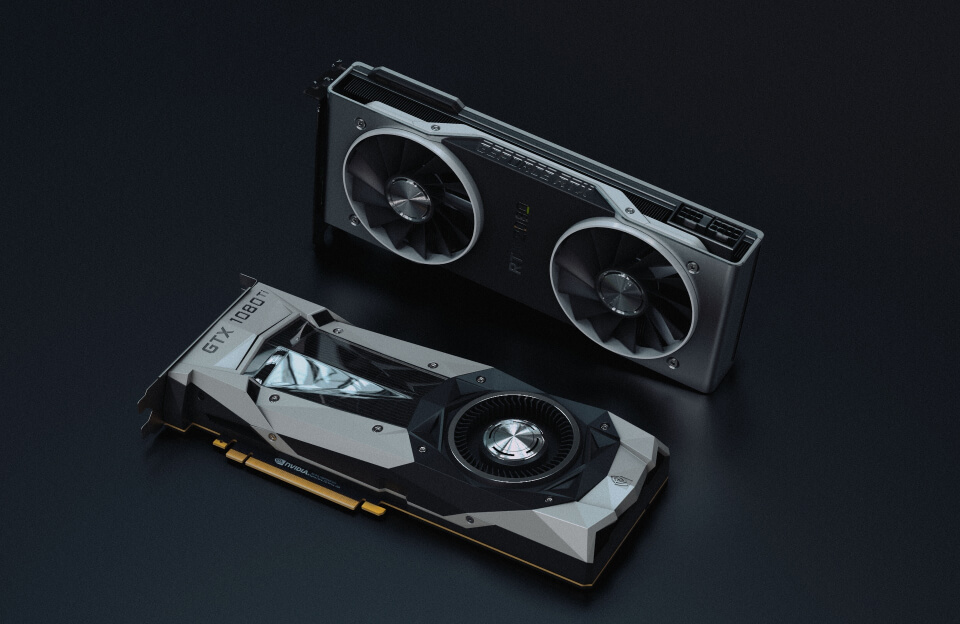
Once bottlenecks are identified, rank each potential upgrade by its return on investment. GPUs typically produce the loudest jump in frame counts at 1080p and 1440p, particularly when the current card is below the game’s recommended tier. CPUs, while offering consistent gains in higher resolution and multi‑threaded titles, deliver a lower dollar‑to‑frame ratio compared to a mid‑tier GPU. Memory upgrades and storage improvements provide marginal frame rate improvements but shine in load‑time compression and multi‑tasking scenarios.
Timing Your Upgrades: Budget & Lifecycle in a Gaming PC Upgrade Strategy
Purchasing timing is dictated by two key elements: price volatility and component depreciation. High‑end GPUs often experience sharp price dips following new launches, so tracking sites like PCPartPicker help identify upcoming sales windows. CPUs generally plateau in performance after the first 12–18 months after release, making early‑stage purchasing more attractive. Aligning upgrades with your own budget rhythms, such as aligning with fiscal quarters or end‑of‑year deals, maximizes value while remaining within financial boundaries.
Assessing Power and Cooling for a Gaming PC Upgrade Strategy
Robust power delivery and efficient cooling are the unsung heroes of sustained gaming performance. A high‑draw GPU or new high‑clock CPU often demands a PSU with a higher wattage rating, preferably with an 80 + Gold certification for maximum efficiency. Cooling solutions should match the thermal load; aftermarket air coolers or AIO liquid units can cut temperatures by 10–15 °C, translating to better overclocking headroom and longer component life. Always verify component compatibility via the manufacturer’s specification sheets before purchasing a new cooler or PSU.
Choosing the Right Case
Case selection impacts airflow, cable management, and future expansion. A larger chassis with dual‑fan vents reduces turbulence and keeps internal temperatures lower, which is especially important for dual‑GPU setups or high‑power single GPUs. Manufacturers such as Fractal Design or NZXT frequently include pre‑installed front‑ and rear‑fans that promote a positive pressure environment, as defined by computer fan design principles. Prioritizing a case with ample mounting slots and dust filters ensures that longevity and performance are not compromised by clogged airflow.
Budgeting and Financing Upgrades
Effective budgeting starts with establishing a clear, periodic savings goal — for example, setting aside a certain percentage of monthly income for hardware. Many retailers now offer payment plans or 0‑interest financing programs, and platforms like PCGamer buying guides often list reputable financial partners for electronics purchases. Staggering upgrades over a two‑ to three‑year horizon keeps each purchase within modest limits, preventing the common scenario of a lump‑sum expense that drags heavily on cash flow. Treat the build as a long‑term investment, and track progress with a spreadsheet or a dedicated budgeting app.
Monitoring Market Trends and Sales Cycles
Gaming hardware cycles are heavily influenced by new product releases, major holidays, and industry events like CES or Computex. Analyses from sites such as TechRadar provide data on average price drops during particular months, allowing buyers to time purchases with measurable savings. Additionally, keeping an eye on manufacturer release calendars—especially for GPUs from NVIDIA and AMD—helps anticipate when the next price swell will occur. By juxtaposing product launch dates with seasonal sales events, you can map an optimal upgrade window that blends performance gains with cost efficiency.
Conclusion
By systematically cataloging your components, pinpointing bottlenecks, ranking upgrades by impact, aligning purchases with market cycles, and ensuring power and cooling support, you can evolve a modest entry‑level rig into a pro‑grade powerhouse. The key is disciplined, data‑driven planning, not impulsive upgrades. Start today by running a quick GPU‑Z and CPU‑Z audit, then consult a price‑tracking tool for the GPU you need. Ready to level up? Check our buying guide and subscribe to our newsletter for the latest upgrade recommendations straight to your inbox.