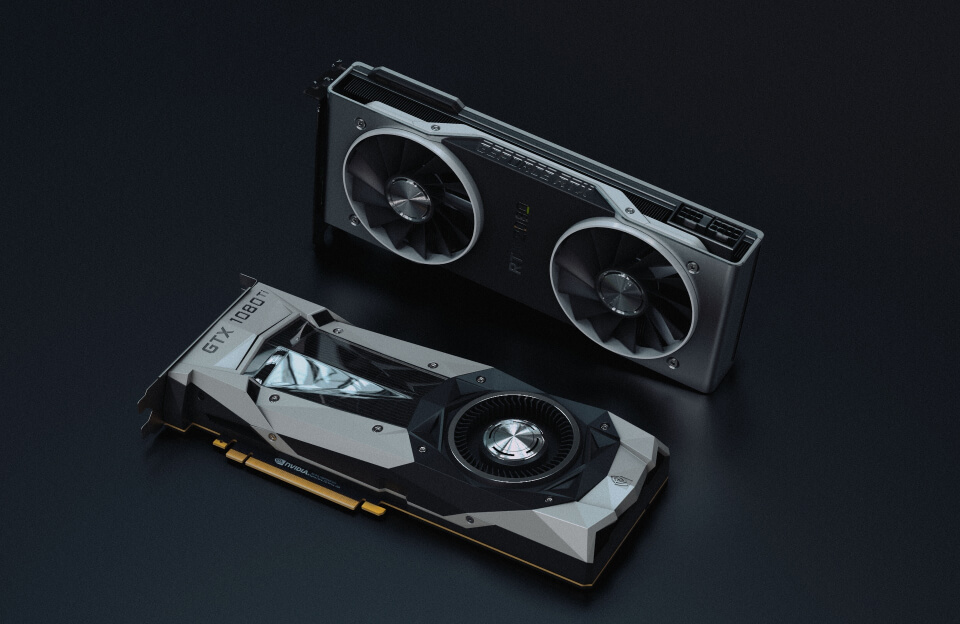
When building a custom gaming PC, the classic debate of cost vs performance shapes every decision. This Cost vs Performance in Custom Gaming PC Builds discussion guides you beyond just chasing the newest GPU to balancing value across all components. The tension between a tighter budget and the allure of peak frame rates forces builders to make informed choices. Professionals in the field warn that ignoring the broader ecosystem can lead to wasted money. Understanding this trade‑off early means you can target a system that delivers satisfying gameplay without breaking the bank. That perspective lays the foundation for the analysis that follows.
Every component in a gaming rig contributes a piece to the overall performance puzzle. However, the impact of each part on the total cost varies dramatically. For instance, a single RTX 3080 can cost more than the entire chassis and power supply when purchased new. In contrast, a modest upgrade in RAM often provides measurable FPS gains in specific titles. Over the years, component vendors have released price‑performance charts that help pros and hobbyists alike evaluate options. Using credible data from sources such as TechSpot ensures your figures are reliable.
Cost vs Performance: Budgeting for the Ideal Build
Establishing a realistic budget is the first step in any successful build. Start by allocating a percentage of the total budget to the GPU, which typically consumes the largest share. Industry analysis suggests that investing 40–50% of the budget in a GPU can maximize gaming throughput while still protecting the other subsystems. The remaining 50–60% should then be distributed among the CPU, motherboard, memory, storage, and supporting infrastructure. This proportional approach keeps you from overspending on one area while compromising whole‑system stability. Make sure to add a 10–15% contingency for unforeseen price shifts.
Next, compare the expected performance improvements of each component against its cost per frame. Manufacturers publish benchmarks that detail FPS gains per dollar, often highlighted on their official sites. A practical example can be seen by studying the integrated graphics performance versus a discrete card for the same price bracket. For many mid‑range users, a lower‑tier GPU paired with a slightly older CPU still offers excellent playability. Conversely, cutting corners on the CPU can bottleneck a high‑end GPU, reducing its effective performance. Balancing these trade‑offs requires a bit of experimentation with benchmark data.
Another vital factor is the longevity of the chosen components. A premium GPU may offer exceptional performance today, but it could become obsolete faster than a more modest processor. By selecting parts with a proven track record of reliability—such as long‑term reviews from CNET—you safeguard your investment against rapid market shifts. Consider also the support life cycle; some manufacturers provide software updates that improve power efficiency over time. An extended warranty can also offset a higher upfront cost if you foresee a longer build lifespan. These elements shift the cost‑vs‑performance equation toward durability rather than raw speed.
In terms of raw speed, NVMe can reduce load times by up to 70% compared to SATA SSDs, especially for games that extensively use streaming assets. However, the additional cost of a 1 TB NVMe drive can exceed $150, which may be too steep if you can squeeze a larger SATA SSD within your budget. Therefore, calculate the trade‑off: If you mainly play a handful of titles that demand fast loading, the NVMe investment pays off quickly. If you have a broad library, a larger SATA solution may be more economical. These calculations are central to a smart cost vs performance strategy.
Another cost‑savvy option is to pair a modest SSD for the operating system and a few flagship titles with a high‑capacity HDD for mass storage. Many users find that maintaining an 1‑TB HDD in addition to a 250 GB SSD balances total cost and speed. While HDDs exhibit lower transfer rates (~200 MB/s), they remain adequate for large media files that never need instant loading, thus preserving system performance without incurring NVMe’s cost.
Finally, assess the opportunity cost of any performance trade‑offs. For example, upgrading from 8 GB to 16 GB of RAM often delivers noticeable improvements in modern titles, but the cost per frame improvement may be relatively low. In contrast, spending an extra $150 on a higher tier GPU can yield a significant jump from 60 to 75 FPS at 1080p. Knowing the threshold where additional dollars produce marginal gains allows builders to prioritize components that bring real value. This informed allocation of resources underpins a cost‑vs‑performance strategy that aligns with your gaming goals.
Cost vs Performance in Choosing the CPU and GPU
With the budget framework established, the next high‑stakes decision concerns the CPU–GPU pairing. This is where most build guides warn of the bottleneck phenomenon. An overpowered GPU paired with a weak CPU can limit overall FPS, especially in CPU‑bound titles like strategy or simulation games. Conversely, a powerful CPU paired with an underwhelming GPU will produce sub‑optimal visual quality at high frame rates. To evaluate the perfect pairing, consult head‑to‑head benchmarks that demonstrate how different CPUs handle advanced GPU architectures.
The contemporary gaming pipeline frequently relies on both CUDA (for NVIDIA) and Ray Tracing cores. Benchmark sites such as Game Developer show that newer CPUs with higher core counts can better feed data to these specialized GPU cores. However, the marginal gains diminish once you surpass a particular core count threshold—often six or eight cores for mainstream gaming. If your budget is limited, a mid‑range Intel Core i5 or AMD Ryzen 5 can provide respectable performance while leaving more funds for a higher tier GPU. The key is ensuring the CPU can deliver enough frames per second to keep the GPU saturated.
Next, examine GPU memory (VRAM) in conjunction with the CPU’s bandwidth. High‑resolution texture work is increasingly demanding, necessitating at least 6 GB of VRAM for 1080p gaming in most modern titles. For 1440p or 4K, 8–12 GB becomes essential. While a premium GPU can provide more VRAM, it also brings a higher memory speed. The CPU’s cache size and memory controller performance influence how effectively these resources are utilized. Performance per dollar curves shift as memory bandwidth scales, so the cost vs performance equation tightens when selecting high‑VRAM options for a limited budget.
The price gap between adjacent GPU tiers is often steep. For example, the RTX 3070 might cost roughly $500, while the RTX 3060 Ti sits at about $350. However, the performance drop between the two can be as low as 15% in certain titles. Building on this insight, a gamer with an average budget might find that a 30–40% saving on a GPU can still deliver 60–70 FPS at 1080p while allowing extra funds for better cooling or storage. Likewise, opting for the RTX 3080, though double the price of the 3070, offers a substantial leap in ray‑tracing performance, justifying its higher cost for enthusiasts who prioritize visual fidelity.
Additionally, consider future‑proofing in the CPU choice. Technologies such as PCIe 4.0 have been adopted by new GPUs and motherboards. A CPU with compatibility for PCIe 4.0 ensures you can upgrade components without a full system overhaul. If your budget permits, investing in a board with newer lane standards provides a moderate cost increase for long‑term value. This foresight mitigates the risk of a premature bottleneck as more demanding games push hardware limits. A balanced CPU–GPU selection, mindful of future updates, aligns both performance and cost into a coherent build plan.
Finally, keep an eye on platform upgrades. When new CPU sockets arrive, they often bring higher prices and a higher performance class. If your build is on a socket 1151 or AM4, delaying a purchase until the next generation reduces cost inflation dramatically. However, an immediate purchase might capitalize on current prices before competitors raise them. Each approach carries a different cost‑performance trade‑off, requiring a decision based on both your timeline and game release schedules. With thoughtful planning, you can align CPU and GPU updates for maximum performance without overspending.
Cost vs Performance: Memory and Storage Balancing
RAM and storage are often underestimated in their contribution to cost‑vs‑performance. Key points include:
- Memory capacity directly affects game stability.
- Speed and latency influence frame rates.
- Storage type impacts load times.
- Modular upgrades allow cost flexibility.
In the realm of fast load times and multitasking, the right memory configuration can shave minutes off your entire gaming session. This structure helps prioritize which component will give you the best performance gains per dollar. A system with 8 GB may run many titles fine, but 16 GB becomes essential for modern AAA releases that demand up to 12–14 GB of active game memory. When the RAM amount falls below the threshold needed for a game, the system relies heavily on virtual memory, which can drastically reduce frame rates.
Performance per dollar comparisons for DDR4 modules are largely stable in the last few years. However, key differentiators include frequency, CAS latency, and latency‑to‑bandwidth trade‑offs. For most users, a 3200 MHz kit with a CL16 latency provides the best overall performance for 10% more money than a 2666 MHz kit. In many benchmarks, the difference translates to roughly 2–3 FPS at 1080p resolution. While this gain might seem minor, it accumulates across multiple titles, justifying the modest price hike for a smoother experience.
Storage selection also falls within the cost‑vs‑performance realm. Traditional SATA SSDs, like the 500 GB SSD, are inexpensive and still deliver respectable read/write speeds around 550 MB/s. Modern NVMe SSDs can reach speeds exceeding 3,500 MB/s, enabling rapid level loading and quicker asset streaming. If your budget is constrained, a hybrid approach works: keep the OS and primary games on a SATA SSD for cost savings while storing large content libraries on a secondary NVMe drive for speed.
In terms of raw speed, NVMe can reduce load times by up to 70% compared to SATA SSDs, especially for games that extensively use streaming assets. However, the additional cost of a 1 TB NVMe drive can exceed $150, which may be too steep if you can squeeze a larger SATA SSD within your budget. Therefore, calculate the trade‑off: If you mainly play a handful of titles that demand fast loading, the NVMe investment pays off quickly. If you have a broad library, a larger SATA solution may be more economical. These calculations are central to a smart cost vs performance strategy.
Another cost‑savvy option is to pair a modest SSD for the operating system and a few flagship titles with a high‑capacity HDD for mass storage. Many users find that maintaining an 1‑TB HDD in addition to a 250 GB SSD balances total cost and speed. While HDDs exhibit lower transfer rates (~200 MB/s), they remain adequate for large media files that never need instant loading, thus preserving system performance without incurring NVMe’s cost.
Finally, firmware updates for SSDs often improve performance without additional costs. For instance, many SSD manufacturers provide free optimization tools that enhance wear leveling and drive health. Keeping your storage firmware updated therefore extends the lifespan of your drive, reducing the future replacement cost. This maintenance practice adds an often‑overlooked layer of cost efficiency to your build.
Cost vs Performance: The Timeline of Upgrades
Beyond the initial build, the cost vs performance balance is affected by the upgrade cadence. Gaming PCs are inherently time‑budgeted, as newer titles often demand more horsepower. The most common approach to maintaining performance involves targeted component swaps rather than complete system overhauls. This incremental strategy saves money while still delivering noticeable improvements year over year.
One way to extend the lifespan of your rig is to prioritize GPU upgrades. GPUs typically provide the biggest leap in both raw and visual performance. The price drop for older GPU generations can be up to 40–50% after a new release, enabling a lucrative second‑hand market. When you purchase a newer GPU, you may only need to replace the power supply if the power consumption exceeds the existing unit’s rating, which remains unchanged between generations.
Conversely, swapping the CPU is usually more expensive and less rewarding for gaming. CPU upgrades often require a new motherboard, thus inflating the cost. In addition, performance gains between successive generations can plateau, especially if the GPU remains a bottleneck. For many builds, a CPU upgrade is more beneficial if you also need to support higher RAM speeds or new platform features such as PCIe 4.0.
Memory upgrades present a flexible option. Adding an extra 8 GB of DDR4 can be done with minimal effort, provided the motherboard has unused slots. For users currently on 8 GB, upgrading to 16 GB can add roughly 5–10% frames in memory‑heavy titles—an affordable price per performance improvement. However, to fully realize gains, ensure the RAM’s speed matches or exceeds the motherboard’s supported frequencies.
Storage upgrades likewise can add meaningful performance with comparatively low cost. Transitioning from a SATA SSD to a 500 GB NVMe SSD can decrease load times by half, while the price difference remains modest. Such swaps also future‑proof the system by preparing for newer games that rely heavily on streaming content. It allows you to postpone a full GPU replacement, thereby preserving budget for later, more significant improvements.
Finally, consider the impact of timing on price. Hardware vendors often discount older GPUs or CPUs during promotion events such as Black Friday or Cyber Monday. By aligning your upgrade cycle with these events, you can secure better price‑performance ratios. However, this requires diligent market monitoring and readiness to act quickly. The payoff is often a substantial reduction in overall upgrade cost while still maintaining high performance.
To summarize, the optimal upgrade path balances hardware lifespan with cost projections. Prioritizing GPU swaps, followed by memory or storage enhancements, tends to deliver the best performance per dollar over a 3–5 year window. By strategically planning your build lifecycle, you convert every dollar spent into sustained gaming quality.
In the end, mastering the cost vs performance debate in custom gaming PC builds hinges on informed decision‑making, reliable data, and an awareness of future needs. Begin with a well‑defined budget and a clear understanding of your gaming demands. Then, apply measured benchmarks to each component, giving priority to the GPU and CPU pairing, followed by memory, storage, and supporting infrastructure. Maintain flexibility with modular upgrades so that each investment yields lasting value. By embracing these practices, you not only optimize your current build but also lay a solid foundation for the years ahead.
If you’re ready to put theory into practice, start by researching the latest benchmarks and pricing trends on trusted sites like TechSpot or CNET. Draft a component list that respects your budget and performance goals, then refine it with real‑world data. Once you’re confident, assemble your rig with care, ensuring proper airflow and cooling. Your new custom gaming PC will deliver both exhilarating performance and smart value—ready to tackle any title you throw at it. Start building smarter today!