
To supercharge your processor, consider a budget‑friendly jump to a newer generation within the same socket family. For example, replacing an older Intel Core i5-8400 with a newer i5-10400 can deliver up to a 30% performance increase. The key is to maintain socket compatibility, avoiding costly motherboard replacements. If your platform supports Intel’s LGA1200 or AMD’s AM4, you can often upgrade without changing the whole board. The newer CPU will also bring improved IPC, which directly benefits single‑threaded game logic. When researching, look at benchmarks from sites like TechPowerUp to confirm real‑world gains. Beyond raw speed, newer processors also include better power efficiency, meaning less heat for your cooling system. If you run out of budget for a brand‑new CPU, buying a second‑hand unit from reliable marketplaces can be a safe bet. Just verify that the processor comes from a reputable seller and that you keep your warranty in check. After installing the new CPU, ensure that your BIOS firmware is updated to the latest version before running benchmarks. This step unlocks all of the features, such as advanced power management and higher clock limits. A correctly upgraded CPU sets the stage for all other budget improvements in the system.
Even a modest CPU upgrade demands better thermal management to keep performance steady. Replacing a stock cooler with a low‑cost aftermarket air cooler can slash temperatures by 10‑15 °C. Brands such as Cooler Master and Deepcool offer units that fit most sockets at under $40. For laptops, a higher quality thermal paste like Arctic MX‑4 can give noticeable gains. If room temperature is an issue, consider adding a single 120 mm case fan to improve airflow. Even a budget USB‑powered fan can increase total airflow without major cable clutter. Make sure to position intake fans at the front and exhaust fans at the rear to create a proper airflow loop. In older cases, repurposing unused drive bays for fans can upgrade performance without new parts. Don’t forget to clean dust filters and perform thorough internal cleaning before installing new components. An efficient cooling setup not only protects hardware but also reduces power consumption and operating noise. If you’re interested in a budget liquid cooler, look for all‑in‑one units that require minimal assembly. Proper cooling, combined with a newer CPU, ensures your gaming PC stays cool, quiet, and high performing.
When making CPU and cooler upgrades, always double‑check the compatibility matrix on the motherboard’s specification sheet. CPU makers provide a list of supported chipsets, and many BIOS updates enable support for later generations. Mismatch between cooler size and case chassis can lead to installation headaches, so measure clearance before buying. If your case is too small for a larger cooler, consider a low‑profile model or a different case entirely. Budget fans and coolers can be found at major retailers for under $30, but avoid the cheapest options that compromise build quality. Pay attention to the fan’s noise level and performance curve, especially if you live in a shared living space. A good rule of thumb is to spend no more than 20 % of your overall hardware budget on cooling hardware. If you can pair a new CPU with an existing compatible cooler, the cost is even lower. While upgrading, consider the thermal paste on the motherboard VRM; a fresh application can improve power delivery. The incremental price of a better cooler often translates into fewer thermal throttles during demanding titles. Moreover, a cooler that operates quietly can enhance your overall gaming environment. An informed choice here maximizes performance gains while keeping your upgrade budget in check.
Affordable Hardware Upgrades for Graphics Performance
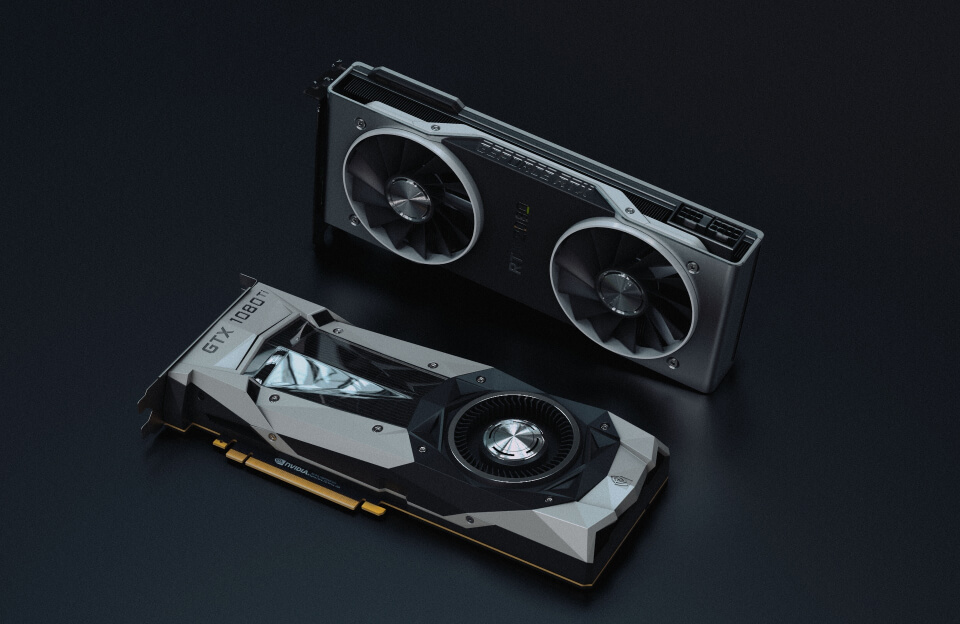
Graphics card performance remains the single biggest determinant for frame rates, especially in high‑resolution titles. A budget‑friendly upgrade can involve swapping a mid‑range older GPU for a newer model with similar power draws. For instance, moving from an Nvidia GTX 1050 Ti to a GTX 1660 Super can yield about a 60 % improvement in many modern games. Similarly, AMD’s Radeon RX 580 offers a respectable performance boost compared to a similarly priced older card. When choosing a GPU, make sure it physically fits in your case, both in length and power connector requirements. Many older GPUs require a single 6‑pin power connector; newer cards might need 2× 6‑pin or a single 8‑pin. Before buying, check your power supply’s modular cables and total wattage to confirm compatibility. Reading independent reviews from sites like Tom’s Hardware can help you compare real‑world performance. If your budget doesn’t allow a new card, look at second‑hand options from reputable sellers that still provide a warranty. Keep in mind that newer GPUs often have added support for technologies like DLSS or FSR, which further improve FPS at acceptable visual trade‑offs. Once installed, run a benchmark to validate that your new GPU reaches its sweet spot on your chosen resolution. Updating the GPU sets the foundation for smoother gameplay and future‑proofs the PC for upcoming titles.
Alongside a new GPU, you must ensure your power supply unit (PSU) can meet the increased demands. An 500 W PSU is generally adequate for many budget GPUs, but check the recommended PSU wattage listed by the card manufacturer. If your current PSU is under 450 W or uses legacy connectors, consider upgrading to a modular unit for easier cable management. Brands like EVGA and Corsair provide 80 + Bronze certified power supplies that balance performance and price. A higher efficiency rating (80 + Bronze or better) reduces electricity costs and heat output from the PSU. Before buying a new PSU, calculate your total system power draw using online calculators available at PCPartPicker. Updating drivers is equally critical; use the official Nvidia or AMD website to download the latest GPU drivers. Drivers incorporate optimizations for new game releases and can boost performance by 5 % or more. Enable technologies like G‑Sync or FreeSync if your monitor supports them for a smoother visual experience. Once your PSU and drivers are in place, monitor temperatures with tools like HWMonitor to ensure power delivery remains stable. Proper power management also protects your components from voltage spikes during intense sessions. With a reliable PSU and up-to-date drivers, you’re poised for a stable and high‑performance gaming experience.
Even budget GPUs often leave headroom for modest overclocking, which can push performance further. Using software such as MSI Afterburner, you can increase GPU core clocks by 50–100 MHz without significant risk. Start with a conservative 20 MHz step, run a benchmark, and monitor temperatures before proceeding. If temperatures remain below 80 °C, you may try a higher clock, but never exceed 85 °C during extended sessions. In addition to core clocks, you can adjust memory clocks, which may yield a 10–15 % FPS boost in memory‑bound titles. Always keep an eye on system stability; if crashes occur, dial back the overclock. For integrated GPUs or older GPUs, you might adjust power limits to allow for a more aggressive overclock. Another way to eke out performance on a low‑tier GPU is to enable “GPU Boost” or “Smart Boost” if your GPU’s control panel offers it. Remember that each board and cooling setup is different; what works for one may not work for another. Documentation from the GPU manufacturer can offer guidance on safe voltage and temperature ranges. When fully optimized, overclocking can transform a modest GPU into a viable gaming companion for many modern titles.
Affordable Hardware Upgrades for Storage and Memory
Switching from an HDD to an SSD creates the most noticeable latency improvement for overall system responsiveness. Even a budget SATA SSD can bring boot times down from 15–20 seconds to under 3 seconds. For gaming, installing the operating system and your favorite titles on the SSD ensures fast load times and snappy gameplay. If your budget allows, a PCIe NVMe SSD offers even higher read/write speeds, resulting in near‑instantaneous streaming of large game assets. When choosing an SSD, pay attention to the sequential read/write ratings to gauge real‑world performance. The Samsung 870 EVO and Western Digital Blue 3D NAND are reliable options that offer durability without breaking the bank. On top of storage, consider setting up a RAID 0 array for even greater bandwidth, but remember the data redundancy loss. Many users opt to keep a secondary HDD for media storage, avoiding performance penalties on their primary SSD. Make sure your motherboard has the necessary M.2 slots for NVMe devices if you go that route. If you plan to upgrade the SSD later, buying a larger capacity on the same brand ensures consistency in write endurance. After installation, run a benchmark with tools like CrystalDiskMark to confirm the SSD is performing as expected. Upgrading storage dramatically improves load times, reduces stutter, and makes the machine feel responsive.
High‑capacity SSDs are now available for as low as $70 for 1 TB, making them an attractive upgrade even on tight budgets. A 500 GB SSD is sufficient for the OS, browsers, and a handful of games, but those who play many large titles may prefer 1 TB or more. Speed is not the only factor; endurance measured in TBW (terabytes written) indicates how long the SSD will last under load. For gaming workloads, an endurance rating of at least 150 TBW is reasonable to maintain performance over years. While SATA SSDs provide solid performance, NVMe SSDs can reach speeds 2–3 times faster, which is especially useful for data streaming. If you’re budget conscious, a SATA SSD with a high warranty (at least 5 years) combined with an external backup drive ensures data safety. Using tools like Smartmontools lets you monitor health and predict failure before data loss occurs. Another consideration is to partition your SSD: keep system partitions separate from game installs for easier maintenance. Upgrading storage also allows you to use a secondary drives for game installations, preventing congestion on the primary drive. Pay attention to the NVMe interface – PCIe 3.0 offers good speeds, but some motherboards may support PCIe 4.0 for added future‑proofing. Always install the latest firmware update for your SSD to improve reliability and performance. A balanced approach to capacity and speed ensures you get the performance you need without unnecessary costs.
If your system runs out of memory during gameplay, adding more RAM is a simple yet powerful upgrade. Most modern games recommend 16 GB of DDR4 for smooth performance; 8 GB can be limiting, especially at lower settings. When selecting RAM, match the speed (e.g., 3200 MHz) and latency (e.g., CL16) to your motherboard’s supported specifications. Buying a matched kit ensures dual‑channel operation, which doubles memory bandwidth compared to a single stick. If your motherboard has only dual slots, you can install a 4 GB + 8 GB combo, but matching kits are optimal for stability. Cheaper options come from major brands like Crucial and Corsair, which provide ample warranty coverage. Sometimes second‑hand RAM in good condition can save you money; just verify it functions before committing. Installing RAM is typically straightforward: power down, open the case, locate the slots, and slot in the new sticks. After installation, check BIOS to confirm the memory frequency and timings have been recognized correctly. You can test memory health with MemTest86 to catch potential issues before they cause crashes. With more RAM, your PC can keep more textures and assets in memory, reducing load times and stuttering. Overall, a RAM upgrade can be a cost‑effective way to keep your gaming machine current for years to come.
Affordable Hardware Upgrades for Power Supply and Case
Choosing the right power supply can feel daunting, but focusing on efficiency and headroom simplifies the decision. An 80 + Gold or Platinum PSU is preferable for higher overall efficiency, even if it commands a slightly higher price. Efficiency translates to lower operating costs and less heat, both of which benefit a gaming rig’s longevity. When evaluating wattage, use a calculator to add up the CPU, GPU, storage, and peripheral loads. A good rule of thumb is to pick a PSU that is 20–30 % over your calculated total to accommodate future upgrades. Modular cables reduce clutter and improve airflow, especially if your case has limited cable management options. If you are reusing an older PSU, double‑check the connectors for VRM stability and the quality of the capacitors. High‑quality power supplies from reputable manufacturers include protection features like over‑current, over‑voltage, and short‑circuit protection. A properly sized PSU ensures that your GPU and CPU receive consistent power, which can improve overclocking stability. Turning to the case, ensure it has adequate space for the upgraded GPU and cooling components while not compromising cable flow. If your case is cramped, consider a small form‑factor tower with support for 360 mm radiators or multiple fans. Together, a reliable PSU and a well‑ventilated case create a stable foundation for all hardware upgrades.
Cable management is often overlooked but plays a vital role in both aesthetics and airflow. Use Velcro straps or zip ties to bundle cables tightly, freeing up space around the motherboard and GPU. Route power cables through the designated cable tie points to keep them out of the airflow path. If your motherboard has a rear I/O shield, ensure fan headers are properly aligned to maximize airflow efficiency. After assembling, run a thermal imaging scan to confirm that cooler fins are not obstructed by cables. Check the BIOS for CPU voltage settings; a 10 % increase can unlock higher boost clocks when combined with better cooling. Enable XMP or DOCP profiles to run RAM at advertised speeds, as default values often throttle performance. Update the system firmware to the latest version before playing; vendors frequently release performance patches. Set up a short benchmark with a tool like 3DMark to verify that all components perform within expected ranges. Should you notice any anomalies, revisit cable placements or BIOS settings for optimal configuration. Finally, label each cable and document the build; this helps future upgrades and troubleshooting. By mastering cable management, you ensure maximum airflow, lower temperatures, and a polished, professional‑looking rig.
With these affordable hardware upgrades in place, your old gaming PC should feel like brand new. Feel the difference in smoother frame rates, faster load times, and quieter operation across all your favorite titles. Each upgrade builds on the previous, creating a holistic performance boost without a massive spend. Remember to keep an eye on new releases; technology evolves quickly, and even a small upgrade can yield big results. If you need help selecting specific parts, use reputable build‑planning tools like PCPartPicker to verify compatibility. Keep your system updated with the latest drivers and firmware to maintain optimal performance. Don’t forget to back up your data regularly, especially when upgrading storage or adding new drives. By staying vigilant, your budget‑friendly PC can keep up with many recent games for years ahead. Take this opportunity to invest in a good set of headphones or a high‑refresh‑rate monitor to complement the hardware changes. Your gaming experience will benefit from higher visuals and less performance hiccups. Explore our other articles on tweaking settings and optimizing game performance for even better results. Ready to transform your legacy machine? Dive in, follow these steps, and let your PC play again. Start your upgrade today and rediscover the joy of gaming with the best performance your budget allows.
