Gaming enthusiasts constantly chase the next leap in performance, whether it’s higher frame rates, smoother ray‑tracing, or faster load times. In 2025, hardware evolves at a rapid pace, making a thoughtful upgrade strategy essential to avoid wasted expenditure and maximize game‑playing enjoyment. This step‑by‑step guide will walk you through a comprehensive gaming PC upgrade plan that balances current needs with future‑proofing tactics, ensuring you stay ahead of the curve. By the end, you’ll know exactly which components to swap, when to replace them, and how much budget to allocate for each tier. Ready to transform your rig? Let’s dive in.
Gaming PC Upgrade: Identify Your Current System and Goals
Before you touch any hardware, catalog the existing specifications of your system: processor model, GPU, RAM size, storage type, and power supply wattage. This baseline helps you understand how far your rig is from the latest standard and pinpoints bottlenecks that impede modern titles. For example, a Ryzen 3 3200G paired with a GTX 1070 in 1080p may lag behind a newer configuration that simply moves to a more efficient CPU and a higher‑refresh‑rate monitor.
Define the games you play and the performance metrics that matter most to you. If you’re aiming for 144 Hz gaming or ambitious ray‑tracing experiments, a high‑refresh‑rate GPU paired with enough VRAM becomes paramount. Conversely, if your focus is on immersive single‑player experiences with higher resolution textures, storage speed and memory capacity might be top priorities. Aligning goals with realistic hardware capabilities ensures you avoid chasing features that won’t translate into noticeable gains for your specific titles.
Document your budget tier—budget, mid‑range, and high‑end. This tiered approach informs which components can be upgraded immediately and which ones can wait for a future release. For most gamers, the goal is a balanced mix that boosts FPS by 20–30 % while staying within their financial constraints. This step also determines whether you’ll need a new power supply or case, especially if you plan to adopt newer, more demanding GPUs.
Gaming PC Upgrade: Build a Tiered Component Upgrade List
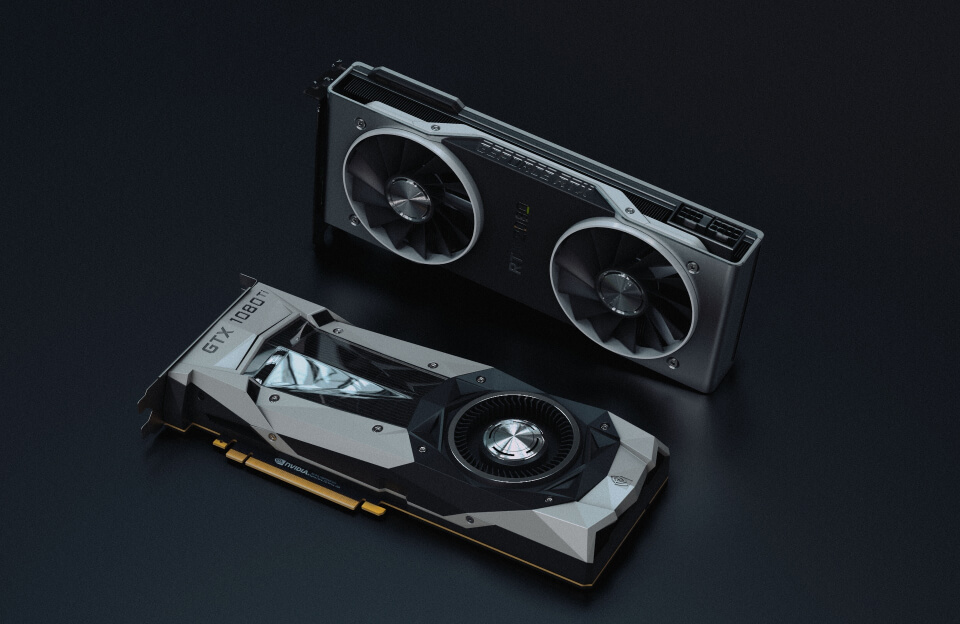
Once you know your baseline and goals, sketch a pyramid of upgrades: core CPU, graphics GPU, RAM, storage, and peripherals. Prioritize the GPU and CPU, as they contribute the highest performance ROI for current games. For 2025, consider the NVIDIA RTX 4080 for ray‑tracing enthusiasts, or the AMD Radeon RX 7900 XT for a more budget‑friendly option. Both deliver exceptional 4K and high‑refresh‑rate performance.
Below is a sample component matrix reflecting three budget tiers. Replace the placeholder values with actual models that fit your system and budget:
- CPU: Budget – AMD Ryzen 5 5600X, Mid – AMD Ryzen 7 7800X3D, High – Intel Core i9‑13900K.
- GPU: Budget – Nvidia RTX 3060 Ti, Mid – Nvidia RTX 4080, High – Nvidia RTX 4090.
- RAM: 16 GB DDR4, 32 GB DDR5.
- Storage: M.2 NVMe SSD (at least 1 TB, NVMe for peak speed).
- Power Supply: 650 W (budget) to 850 W (high), certified 80+ Gold.
For future‑proofing, aim to upgrade to a PCIe 5.0‑compatible motherboard and SSD as soon as price curves level out. PCIe 5.0’s doubled bandwidth (20 Gb/s per lane) will benefit upcoming GPU releases and storage speeds. Check your current motherboard’s specifications to confirm compatibility or plan a simultaneous motherboard upgrade to leverage the newest standards.
Gaming PC Upgrade: Power, Cooling, and Case Considerations
Enhanced components often generate more heat and demand more power. Assess whether your existing power supply unit (PSU) can handle the increased wattage of a modern GPU. If upgrading from a modest 500 W PSU to an 850 W unit, ensure it has the proper connectors for your new graphics board. The PSU’s wattage ratings are crucial for system stability, especially during intense gaming sessions.
Cooling solutions should match the thermals of new parts. A high‑performance CPU can reach temperatures near 95 °C under load if cooled inadequately. Consider installing a more efficient air cooler or a liquid AIO cooler rated for the CPU’s TDP. For GPUs, monitor for thermal throttling when the graphics card operates at 95 °C or higher; many modern cards employ active cooling fans that can be replaced with higher‑RPM models for better airflow. A chassis with ample airflow – ideally with at least two case fans and a mesh front panel – also reduces internal temperature peaks.
Don’t overlook cable management. A clean cable setup improves airflow, potentially decreasing temperatures by up to 5 °C. Use zip ties, Velcro straps, and short power cables to keep the interior tidy. A well‑ventilated case can be the difference between consistent 100 % frame rates and periodic dips caused by thermal throttling.
Gaming PC Upgrade: Budget, Timing, and Future-Proofing
Timing is critical when upgrading components. New GPU launches typically stimulate price drops across older models within 12 months. If you’re on a tight budget, wait for a sales event—Black Friday, Cyber Monday, or the annual CES – to get the best value. Additionally, keep an eye on firmware and driver updates, which can unlock performance improvements for existing hardware.
Plan a 3‑year roadmap: Year 1 upgrades focus on CPU and GPU; Year 2 targets storage expansion and power supply; Year 3 evaluates potential motherboard and case revamps as new standards emerge. This staggered approach prevents large upfront cash outlays while ensuring the system retains top-tier performance throughout its lifespan.
Future‑proofing involves selecting components with scalable tech. For instance, choose a motherboard with PCIe 5.0 support and an extra M.2 slot for NVMe SSDs. Aim for a CPU that supports DDR5 RAM if possible, as DDR5 offers higher bandwidth and lower power consumption, keeping your system efficient as game requirements grow.
Conclusion: Take Charge of Your Gaming Experience
By systematically assessing your current system, defining game‑specific goals, and building a tiered upgrade plan, you can confidently replace the parts that matter most. Prioritise GPU and CPU upgrades for the biggest performance lift, ensure adequate power, cooling, and airflow, and strategically time each purchase to maximise value. With a clear upgrade roadmap, your rig will not only keep up with 2025 titles but be ready for the next wave of gaming innovations.
Ready to start your upgrade? Visit reputable retailers, compare builds on PCPartPicker for compatibility, and begin assembling your next powerhouse. Don’t wait—every lag-free frame drives the game’s story forward. Upgrade today and experience gaming in its full, stunning glory.