Gaming enthusiasts are increasingly turning to compact gaming builds, seeking high performance without the bulk of traditional desktops. Compact gaming builds offer an appealing blend of portability, energy efficiency, and modern aesthetics, allowing gamers to enjoy console‑grade titles in a space‑saving format. In this guide, we’ll walk through the critical components, cooling solutions, and case choices that enable a small tower to punch well above its weight.
Why Choose a Compact Gaming Build?
There are several compelling reasons to invest in a compact gaming build. First, a smaller form factor consumes less power, which translates into lower electricity bills and reduced heat output – a point highlighted by the U.S. Department of Energy’s research on energy‑efficient computing. Second, compact rigs are easier to transport, making them ideal for gamers who attend LAN parties or stream from different locations. Finally, many players appreciate the sleek, modern look that a tiny tower can bring to a living room or bedroom setup.
Core Components for a Tiny Tower
Choosing the right components is crucial for building a compact gaming rig that won’t feel cramped. The motherboard is the first decision: Mini‑ITX boards, which measure just 17 × 17 cm, are the most common choice for space efficiency. Mini‑ITX motherboards offer a single expansion slot, so GPUs must fit within that. For a mid‑range gaming experience, pairs such as a Ryzen 5 5600X or an Intel i5‑13600K provide solid performance while keeping price points reasonable.
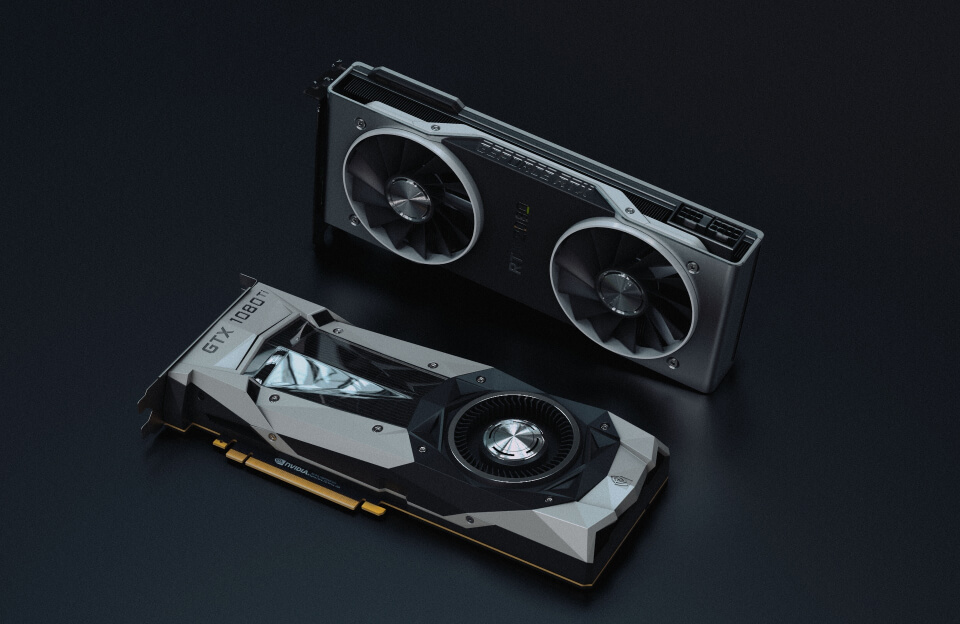
Graphics cards remain the single most expensive component. Current benchmarks show that the RTX 3060 delivers excellent 1080p performance while staying within the size limits of many small towers. However, you should verify that your case can accommodate the card’s length, typically 242 mm or less. For newer GPUs, like the RTX 4060 Ti, ensure you have enough airflow and adequate PSU headroom.
Memory and storage follow closely. A 16 GB kit of DDR4 or DDR5 RAM is sufficient for most indie and AAA titles, while a 500 GB NVMe SSD provides lightning‑fast load times. Many manufacturers sell combined SSD‑RAM kits that help cut PCB clutter and improve cable management. Don’t forget a small but efficient PSU; 550‑650 W modular power supplies from reputable brands are common in tiny towers.
Below is a quick component snapshot for a balanced compact build capable of 1080p gaming at 60–120 fps:
| Component | Suggested Model | Approx. Price |
|---|---|---|
| Motherboard | ASUS ROG Strix B550-I Gaming | $210 |
| CPU | AMD Ryzen 5 5600X | $190 |
| GPU | NVIDIA RTX 3060 | $330 |
| RAM | Corsair Vengeance LPX 16 GB | $70 |
| Storage | Sabrent Rocket Q 500 GB NVMe SSD | $55 |
| PSU | Corsair RM650x 650 W | $100 |
| Case | NZXT H210i | $120 |
Cooling Strategies That Fit Small Footprints
Effective cooling is essential for maintaining stable performance in compact gaming builds. Traditional tower fans may not fit, so many builders opt for low‑profile 120 mm or 92 mm fans, such as the Noctua NF‑1200 or the Arctic P120 PWM. Placement is key: installing an intake fan at the bottom or front and an exhaust at the back can create a smooth airflow path.
Some manufacturers now offer 140 mm fans that still fit in many micro‑ATX cases, delivering higher static pressure for better radiator cooling. For liquid cooling, ensure your case supports a side‑mounted 120 mm radiator; the NZXT H210i, for instance, comes with a side‑mount option that eliminates the need for a large rear unit.
To keep noise low, select fans with a high PWM control and consider using fan curve software like MSI Afterburner or the motherboard’s BIOS. Additionally, cable management can reduce airflow obstruction; Velcro ties and sleeved cables help keep the interior tidy and improve cooling efficiency.
Case Options and Form Factor Comparisons
Choosing the right case is a critical decision for compact gaming builds. A few popular case families include the mini‑ITX, micro‑ATX, and mini‑Tower options. Each has distinct pros and cons, summarized below:
- Mini‑ITX Cases: Extremely small; perfect for portable setups. Often lack 3‑DSS or larger GPUs.
- Micro‑ATX Cases: Offer more flexibility, usually supporting two expansion slots and a larger GPU.
- Mini‑Tower Cases: Straddle the line; they provide better airflow and component space than Mini‑ITX but remain smaller than full towers.
When evaluating cases, check the PSU and GPU length limits, cable routing options, and support for additional cooling solutions. The NZXT H210i, for instance, is lauded for its smart‑sensor panel that displays temperatures and fan speeds in real time—an excellent feature for tracking the health of a small build.
Many gamers also appreciate aesthetic features such as tempered‑glass panels, RGB lighting, and tool‑free drive bays. However, these aspects should not impede cooling or component compatibility. A clear line of sight to your motherboard and GPU assists with troubleshooting and maintenance.
Conclusion and Next Steps for Your Compact Gaming Build
Compact gaming builds prove that small space does not mean low power. By selecting the right components, optimizing airflow, and choosing a case that meets both aesthetic and functional needs, you can assemble a rig capable of smooth 1080p and even 1440p play in a fraction of the footprint of a full tower. Remember to double‑check dimensions, consult manufacturer specifications, and research reputable vendors for the best deals.
Ready to start your journey? Download our free build checklist, compare component prices, and join our community of space‑saving gamers. Your next powerful, portable, and stylish gaming rig is just a few clicks away—let’s build it together!