For many computer enthusiasts and casual users alike, an old PC feels like a relic that once served well but now struggles with modern software. However, with the right approach, a systematic Old PC Upgrade can breathe new life into that machine without breaking the bank. This comprehensive guide walks you through the essential steps—diagnosing hardware, selecting compatible parts, and safely installing upgrades—so you can transform a sluggish system into a reliable daily driver. Along the way, you’ll find expert links and practical tips that illustrate how to avoid common pitfalls and maximize performance gains.
Old PC Upgrade: Understanding the Limits of Your Old Machine
Before you buy new components, it’s critical to assess what your old motherboard and case can actually support. Most legacy boards lack the PCIe lanes needed for modern graphics cards, and older power supplies may not deliver plenty of wattage for high‑performance drives. By referencing the specifications listed on the manufacturer’s site—or on trusted databases such as Wikipedia’s PCIe page—you can identify the exact form factor and power requirements of your system. This initial inventory saves time and money by eliminating incompatible components. Additionally, checking the BIOS version BIOS update guide helps ensure that the board can communicate effectively with newer hardware.
Old PC Upgrade: Power Supply Assessment
Power supplies (PSUs) are the unsung heroes of a PC, and aging PSUs may have dwindled efficiency. A 200‑watt unit from the early 2000s often cannot handle a single modern SSD plus a modest GPU. Replacing the PSU with a certified 400–600 watt unit—rated at least 80 Plus Bronze—provides a stable source of power while improving overall efficiency. When looking at models, consult the 80 Plus certification page to verify wattage and safety. Upgrading the power supply is usually the first step of an Old PC Upgrade that yields immediate benefits.
Old PC Upgrade: Selecting the Right Components
Once you know the constraints, the next crucial decision is choosing the correct parts. The most significant performance gains come from swapping the hard disk for a solid‑state drive (SSD) and adding a lightweight, modern graphics card. If your board supports SATA III, a 120GB or 240GB NVMe SSD can be the centerpiece of the upgrade, offering read speeds up to four times faster than a legacy HDD. Don’t forget to match the SSD’s interface—SATA vs. M.2—to the ports available on your motherboard.
Old PC Upgrade: CPU and RAM Compatibility
Many older CPUs are still capable of booting Windows 10 or Linux comfortably, but they lag behind when multitasking. If your motherboards use the Intel 945 or older AMD AM2, adding a newer 3D‑Mark score CPU is often impractical. Instead, focus on memory upgrades: increasing the RAM from 1GB to 4GB, or 8GB when the board’s slot supports it, dramatically improves multitasking. For example, moving from a 1024 MiB DDR2 module to a 4 GiB DDR3 stick allows modern browsers to run smoother. Ensure the memory timings match the motherboard’s supported speeds; mismatched modules can cause instability.
Old PC Upgrade: Graphics Card Choice
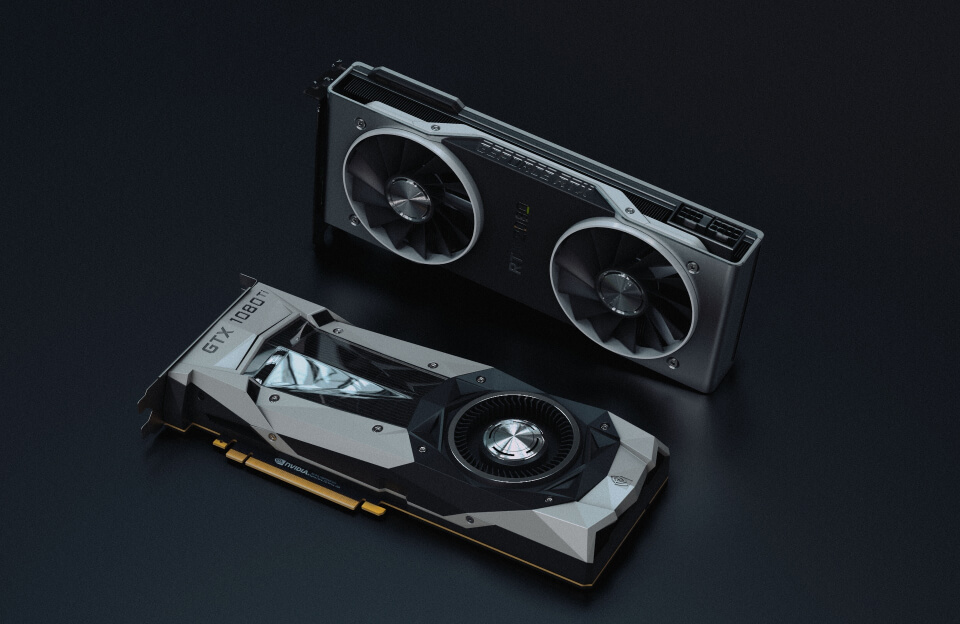
A compact, low‑power GPU that uses the DVI or VGA port can bring gaming and video playback into the realm of reality for older PCs. A card such as the NVIDIA GeForce GT 710 (2 GB) offers efficient performance for media centers without demanding the latest VRAM. If your case contains a PCIe slot, a more robust GPU like the RTX 3050 could also fit, provided the PSU can supply adequate power. Keep an eye on the VRAM size – 2GB is typically sufficient for casual play in 1080p, while 4GB+ shines on higher settings.
Old PC Upgrade: Storage Expansion Table
Below is a quick reference for common storage choices and their typical compatibility with older motherboards.
| Type | Interface | Typical Use | Recommended Models |
|---|---|---|---|
| HDD | SATA I/II | Mass storage | 5400‑RPM 2TB drives |
| SSD | SATA III | Boot drive | 120 GB Samsung EVO |
| NVMe | M.2 / PCIe 3.0 | High‑speed boot and games | Kingston A2000 250 GB |
Consult the manufacturer’s specs to confirm that your board’s PCIe lane count can support an NVMe drive if you’re in it for performance.
Old PC Upgrade: Installing and Testing
All chosen parts are now ready for physical installation. Begin by mounting the new PSU, ensuring that cable management inside the case prevents dust accumulation. Next, install the SSD by securing it into the drive bay and connecting the SATA data cable to the motherboard. For NVMe drives, simply slot the M.2 into the designated slot and fasten it with a screw. Finally, install the graphics card into the available PCIe slot.
Old PC Upgrade: Boot Sequence and BIOS
After assembly, power on the system and enter the BIOS (usually by pressing Del or F2). Change the boot order to prioritise the newly installed SSD or NVMe. Save changes and reboot. If the system fails to boot, check the cables, verify that the PSU’s connectors are secure, and confirm that the motherboard recognizes both new drive and graphics card. Most modern BIOS setups automatically detect SATA or NVMe devices, but older firmware might need a manual override. If your board still complains, consult the online MSI support page for firmware updates.
Old PC Upgrade: Operating System and Drivers
Installing a fresh copy of Windows 10 Pro (or an equivalent lightweight distribution like Debian) often yields the best performance gains. During the installation, format the SSD or NVMe to guarantee compatibility. After the OS boots, open the Device Manager to confirm that the new GPU appears under “Display adapters.” If listed as “Unknown device,” download the latest drivers from the manufacturer’s website. For NVIDIA cards, the NVIDIA driver portal hosts the most recent updates.
Old PC Upgrade: Performance Benchmarking
To verify the improvement, run a benchmark such as a quick “PCMark 10 – Core” or the Cinebench CC 2021 test. Compare results to pre‑upgrade values to quantify the gains. Typically, an SSD upgrade alone can reduce boot times from 45 seconds to under 15, while adding a modern GPU can bring 3D performance from 1 fps to 30 fps in low settings. Recording these metrics not only provides proof of concept but also helps identify further bottlenecks.
Old PC Upgrade: Maintenance and Long-Term Performance
Upgrading does not halt after the build; daily maintenance ensures consistent stability. Periodically clean dust out of the case and fans with an electrostatic brush. Keep the BIOS updated to support new peripheral devices and improve power management. Software updates for the operating system, drivers, and applications also patch security vulnerabilities and enhance compatibility.
Old PC Upgrade: Cooling Considerations
Replacing a high‑RPM 140 mm fan with a more efficient 120 mm with a 3‑speed controller can lower noise and improve airflow. If your upgraded components draw more heat—especially a GPU—the case may benefit from additional intake fans. A modern thermal paste, like Arctic MX‑4, can also improve heatsink performance. Monitoring tools such as hardware monitoring tools provide real‑time temperature readings to confirm that everything stays within safe limits.
Old PC Upgrade: Storage Health and Backups
Regularly run diagnostics on the SSD using tools like Samsung Magician. A failing NAND chip can jeopardize all data. Also, establish a backup routine: export important documents to an external drive or cloud solution such as Dropbox. Ensuring redundancy protects you against data loss, giving peace of mind as your upgraded PC continues to serve you.
Conclusion: Time for an Old PC Upgrade
By carefully assessing your existing hardware, selecting compatible parts, and following a methodical installation routine, an Old PC Upgrade transforms a dated system into a reliable, modern workhorse. Not only do you gain faster boot times, smoother multitasking, and enhanced graphics, but you do it on a budget that still offers great value. Whether you’re a student on a tight budget or a hobbyist who enjoys breathing life into older machines, the steps outlined here prove that a few targeted upgrades can deliver meaningful performance gains.
Ready to bring your old PC back to life? Gather the parts, follow the guide, and give your computer a fresh lease on life today. Don’t wait—start your upgrade journey now and experience the difference a little investment can make.