When you’re gearing up to build a gaming PC, knowing the essential parts is the first step toward peak performance. The term gaming PC parts refers to everything from the processor that handles calculations to the cooler that keeps the board alive during marathon sessions. A well‑balanced selection can shave minutes off game load times, boost frame rates, and provide a smoother overall experience. Even seasoned builders appreciate the nuances of component compatibility, and that’s why this guide distills the most crucial decisions into an easy‑to‑follow roadmap.
Choosing the Right Gaming PC Parts
Begin by establishing a budget and a performance target. Most enthusiasts cluster their choices around four core arenas: CPU, GPU, memory, and storage. The graphics processing unit (GPU) often pulls the most attention, but a subpar motherboard can negate powerful cores. Pay attention to the form factor—ATX, mATX, or mini‑ITX—as it dictates the size of case you need, as well as the number of expansion slots available. Knowing each part’s specific needs ensures you avoid bottlenecks that diminish overall gaming speed.
Modern CPUs come in a spectrum of performance tiers, from mid‑range for budget builds to high‑end gaming cores that support ray tracing and extreme multitasking. Pairing a CPU with an equally capable motherboard is critical: a socket mismatch can lock you into a downgrade. The motherboard’s chipset and BIOS support dictate future upgradeability and driver compatibility. A solid power delivery section on the board will help stabilize voltage across the CPU, which is essential for sustained gaming sessions.
Memory (RAM) is another silent hero. For 1080p gaming, 16 GB is adequate, but 32 GB offers headroom for next‑gen titles and streaming overlays. Faster DDR4 or DDR5 speeds improve frame pacing, though the difference is often marginal compared to GPU upgrades. Most gaming rigs settle on 2×8 GB or 2×16 GB modules, striking a balance between bandwidth and price.
Storage determines how quickly game libraries load and how often you must manage space. SSDs, particularly NVMe variants, drop load times from minutes to seconds. An M.2 SSD paired with a secondary SATA drive can combine speed with cost‑effectiveness for bulk. Ultimately, your storage should align with your play style—fast for competitive shooters, ample for open‑world adventures.
CPU and Motherboard Pairing for Gaming PC Parts
When selecting a CPU, consider the processor’s core count, clock speed, and integrated graphics. High‑clocked Intel Core i7 or AMD Ryzen 7 chips are excellent for solo gaming, whereas the newer Ryzen 9 or Intel i9 families excel at both gaming and content creation. For gamers who stream or edit, a six‑core or higher CPU is often preferred.
The motherboards that support these CPUs vary in features. An Intel Z690 or AMD X670 chipset offers robust overclocking support and expansive I/O; however, budget models like the B660 or B550 provide a more economic route without sacrificing essential PCIe lanes. A good rule of thumb is to choose a motherboard that offers at least one PCIe 4.0 slot for your GPU and two M.2 slots for SSDs.
Another consideration is the BIOS update cycle. A motherboard that supports BIOS Flashback allows you to update firmware without a CPU installed, which saves time during major component swaps. Manufacturers such as ASUS, MSI, and Gigabyte frequently release updates that improve compatibility with new Ryzen and Core processors.
Power rails and VRM quality determine how stable the CPU will remain under load. Boards with 8+ power phases provide cleaner voltage delivery, which is especially important on overclocked builds. A high‑quality motherboard supports extended longevity, ensuring you are not forced to replace the board after a few years of gaming.
GPU Selection for Gaming PC Parts
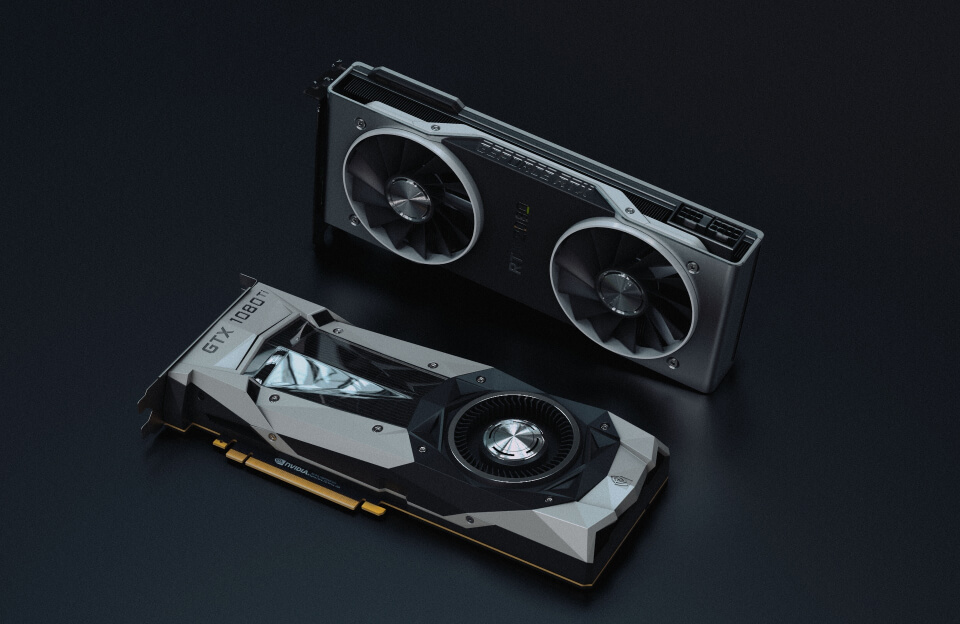
The GPU is often the centerpiece of a gaming PC. It not only determines visual fidelity but also dictates frame rates across most titles. As gaming moves toward ray tracing, high refresh rates, and 4K resolutions, investing in a top‑tier GPU like the NVIDIA RTX 4090 or the AMD Radeon RX 7900 XTX becomes essential for the latest demands.
However, gamers on tighter budgets can still achieve respectable performance with GPUs from the RTX 3060 Ti or Radeon RX 6700 XT. These cards comfortably handle 1080p and 1440p gaming with medium to high graphics settings. Additionally, newer generation cards offer better power efficiency, reducing overall system temperature.
When evaluating GPUs, consider the memory bandwidth: 8 GB of GDDR6 at 16 Gbps is adequate for most 1080p titles. For 4K gaming, 12 GB or more is advisable, as higher resolutions tax the video RAM more heavily. An important secondary factor is the card’s VRM design; a robust VRM ensures the GPU can maintain boost clocks without throttling.
Purchasing a GPU also requires an understanding of the power supply. The card’s TDP, or thermal design power, ranges from 170 W for mid‑range GPUs to 450 W for high‑end models. Your power supply unit (PSU) must deliver a reliable 80+ Gold certificate rating at an adequate wattage to support all components under load. A PSU with modular cables simplifies cable management, keeping airflow unimpeded.
Cooling and Power Supply for Gaming PC Parts
Cooling solutions are the unsung heroes that keep a gaming PC running reliably. Air coolers, like the Noctua NH-D15, provide excellent thermal performance at a reasonable price point. For high‑end CPUs, all‑in‑one (AIO) liquid coolers offer superior noise and temperature levels.
Choosing the right case fan configuration plays a pivotal role in maintaining airflow. A typical setup includes two 120 mm intake fans and one 120 mm exhaust fan, creating positive pressure that pushes fresh air into the case and pushes hot air out where it can’t stagnate. Modern gaming cases often feature mesh front panels and dust filters for maximum efficiency.
Power supply choice is equally critical. Reliable units such as the Corsair RM750x deliver 75 W minimum 80 + Gold efficiency and come with 10 years of warranty. Always choose a PSU with enough headroom for future upgrades, typically 20–25 % of the max wattage you need now. Proper cable management not only enhances airflow but also reduces cable friction, extending component life.
Lastly, thermal paste between the CPU and heatsink improves heat transfer. Applying a pea‑sized bead in the centre of the core ensures an even spread, and reapplying after a few seasons can reset temperatures. Monitoring software like HWMonitor or MSI Afterburner provides real‑time temperature data, letting you tweak fan curves to keep temperatures in check during long sessions.
Optional Extras to Boost Your Gaming PC Build
Beyond core components, a few peripherals can round out the experience. Mechanical keyboards, high‑refresh‑rate gaming mice, and low‑latency wired headsets deliver tangible quality upgrades. A dedicated graphics capture card, such as the Elgato HD60 S, also enriches a streaming setup.
Some gamers opt for an in‑box operating system or pre‑installed software bundles. Windows 11 Home or Pro offers regular updates, while a clean install can reduce bloat and improve boot speeds. Keep driver updates in check with the manufacturer’s utility for drivers or use a tool like DDU (Display Driver Uninstaller) for a fresh start.
For power users, adding a separate storage RAID array can increase read/write speeds and redundancy. RAID 0 offers maximum speed, but at the cost of data safety; RAID 1 or RAID 5 provides redundancy at a performance trade‑off.
Conclusion: Get Started with the Right Gaming PC Parts
Building a gaming PC is a rewarding journey that balances performance, budget, and personal preference. By meticulously selecting each gaming PC part—CPU, motherboard, GPU, RAM, storage, cooling, and PSU—you can assemble a machine that not only meets current titles but also scales into the future.
Start by aligning your goals: whether you aim for casual multiplayer, competitive e‑sports, or immersive single‑player worlds, the right components will set the foundation for a smooth experience. Make informed choices, verify compatibility, and keep an eye on future release cycles. The science and art of building your rig are a testament to the endless possibilities of PC gaming.
Ready to assemble? Visit our recommended vendors for the latest deals, compare specs side‑by‑side, and dive into DIY instructions that guide you from first screw to final boot. Build boldly, game fiercely, and upgrade strategically.